Empowering Students through Parity, Grit and Belongning! A Guide for Teachers!
India White • September 18, 2025
Empowering Students through Parity and Grit!

Empowering Students Through Parity, Grit and Belonging: A Guide for Educators
In today’s educational landscape, the importance of creating environments that foster diversity, equity, inclusion (DEI), and fostering belonging is increasingly recognized. However, to truly drive student success, educators must evolve their focus towards parity and belonging—concepts that promote not just access, but also meaningful engagement and community within the classroom.
Understanding Parity and Belonging
Parity refers to ensuring that all students achieve equitable outcomes, regardless of their backgrounds. While DEI has focused on equal access to resources and opportunities, parity addresses the systemic barriers that prevent some students from realizing the same level of success as their peers.
Belonging goes beyond inclusion; it emphasizes the need for students to feel accepted and valued within the learning community. When students feel they belong, they are more integrated into their classroom environment—promoting engagement and enhancing their overall educational experience.
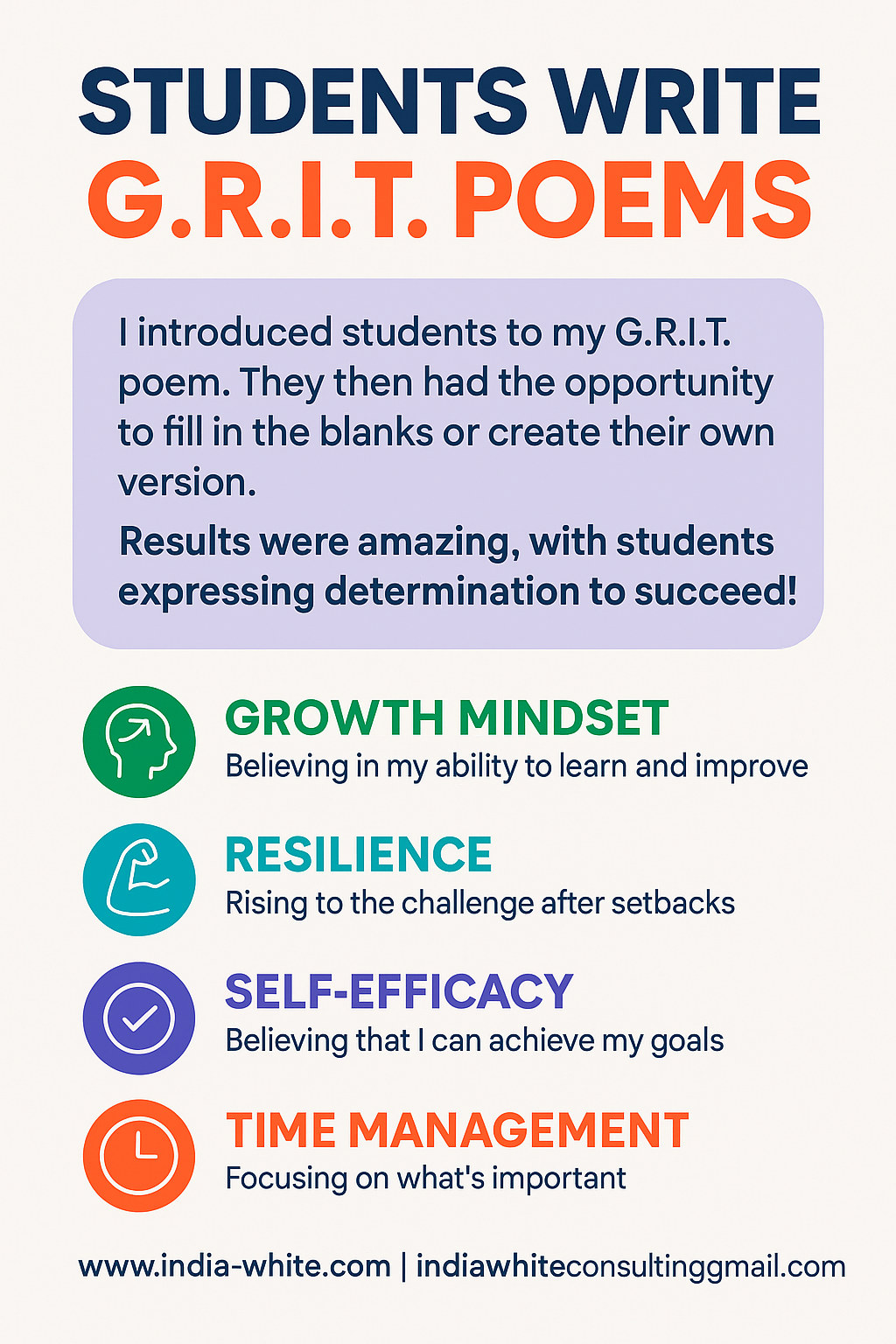
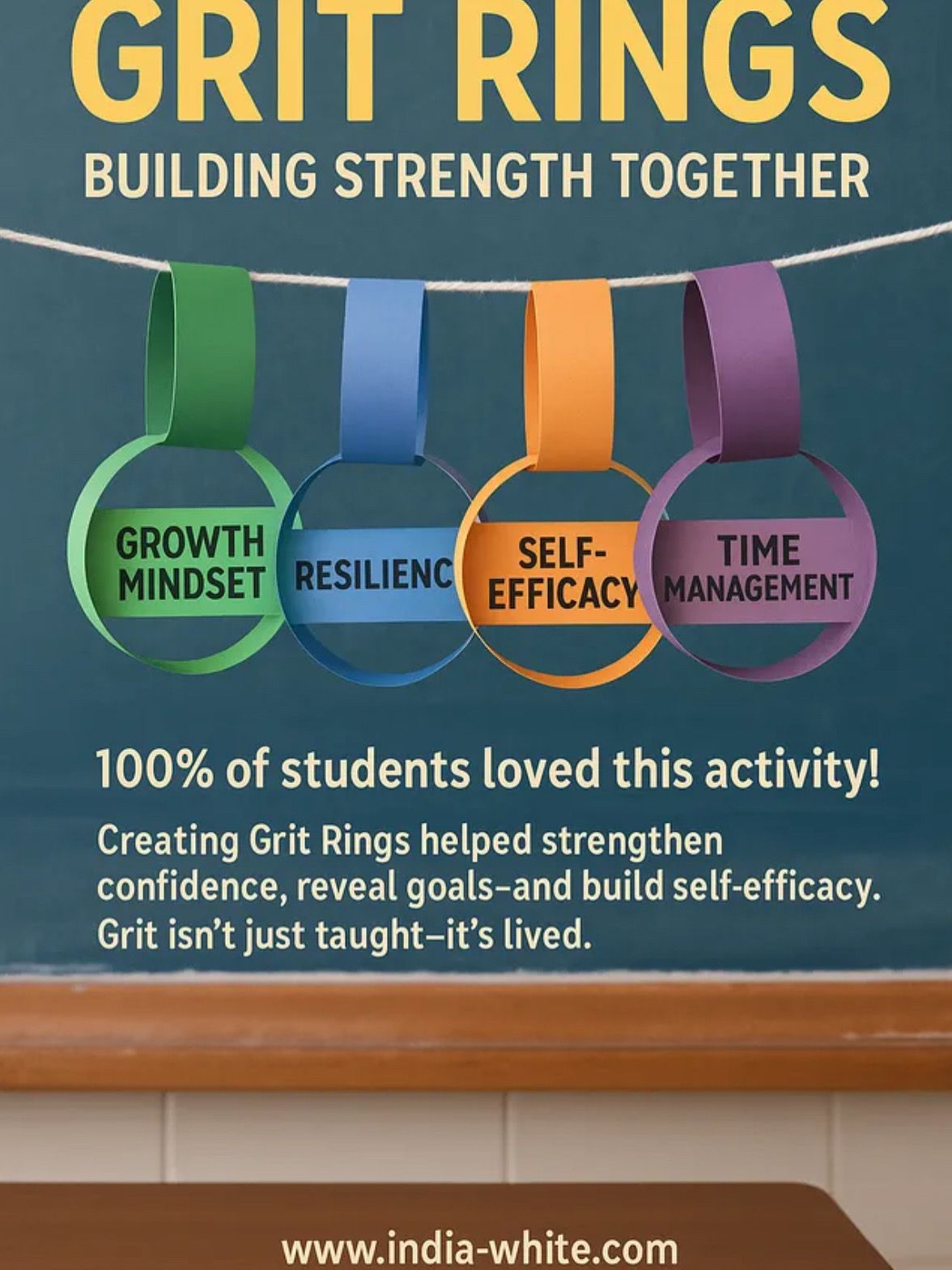
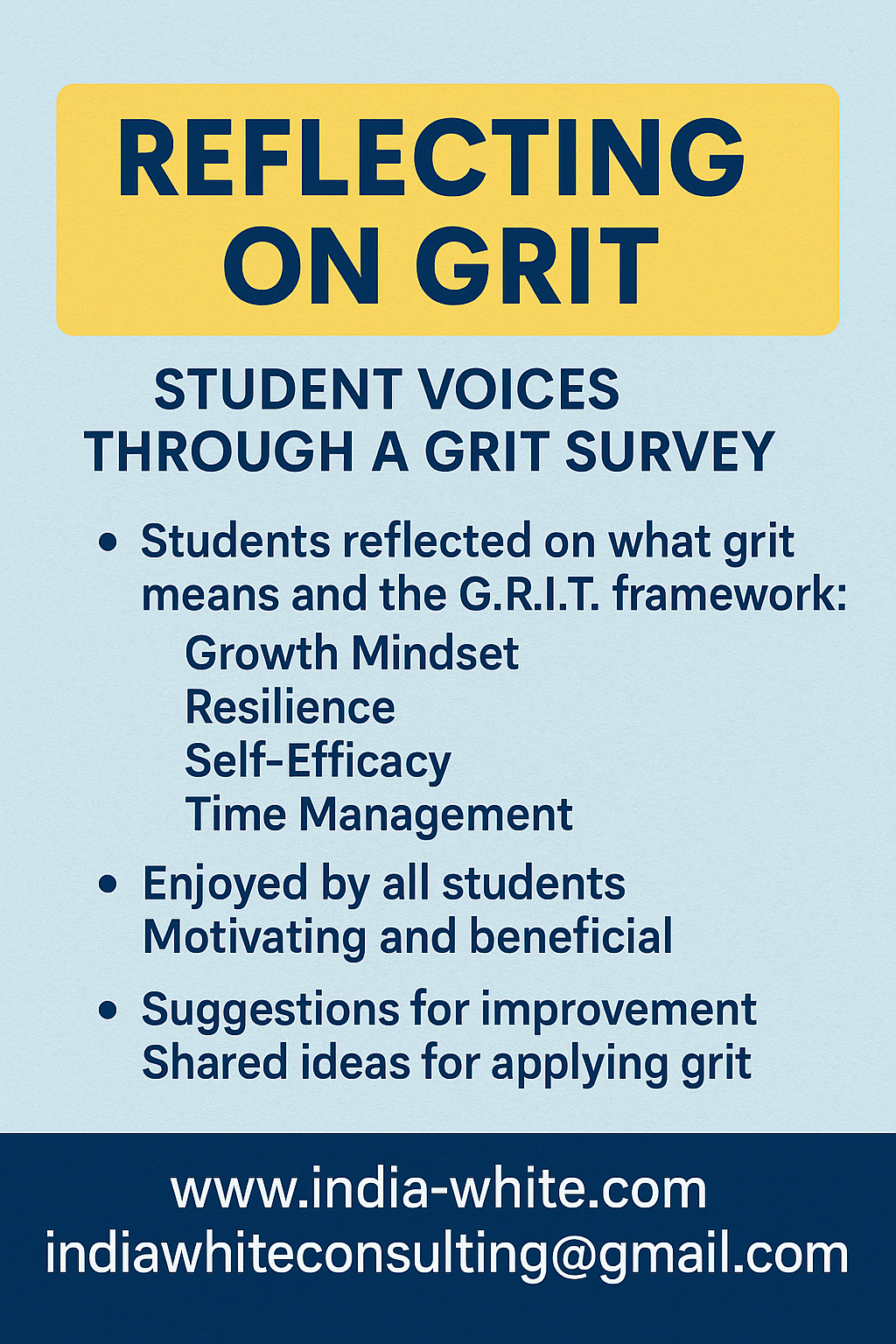
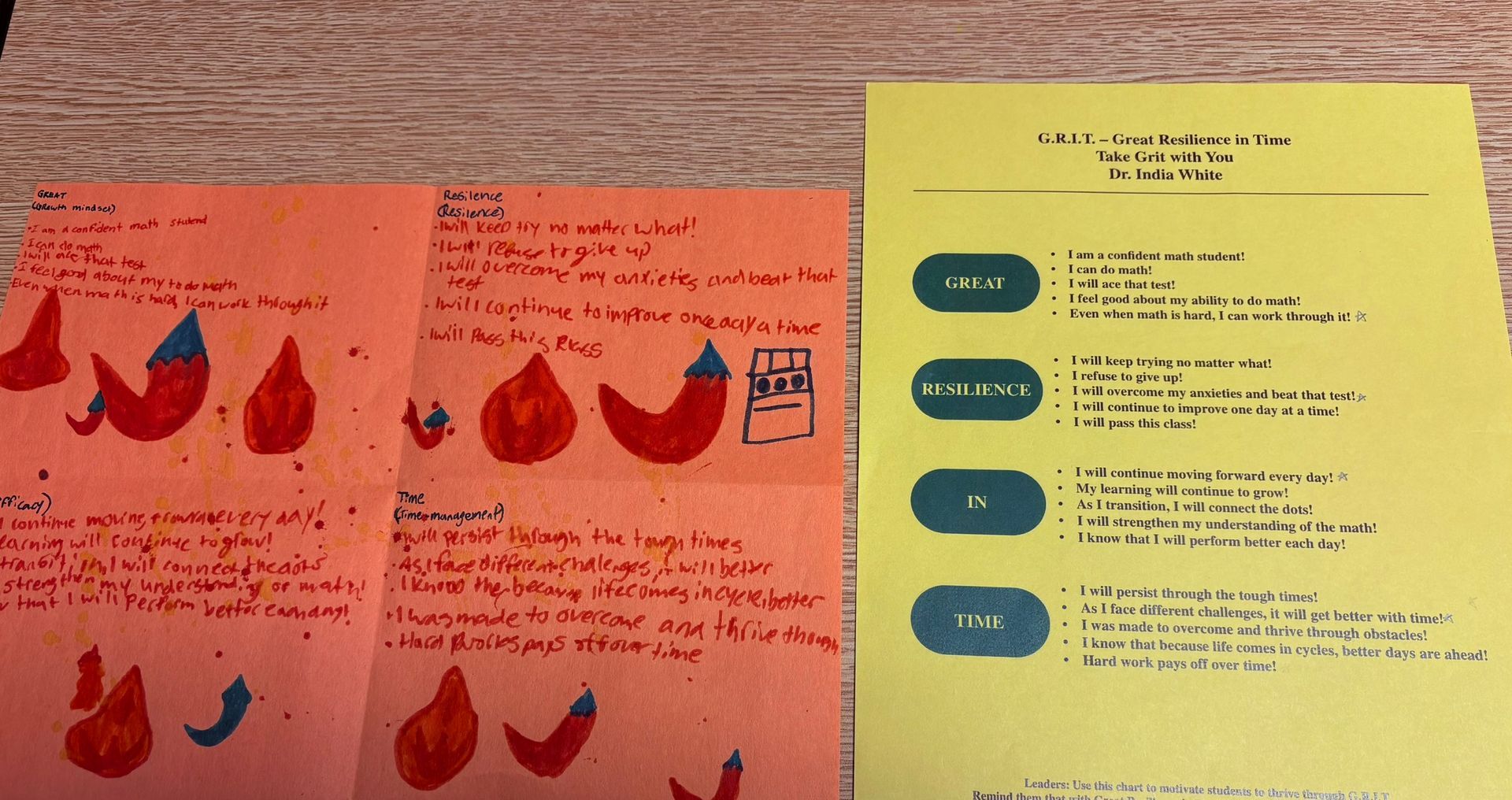
Dr. India White’s research on the Grit Framework offers a valuable perspective on this topic. Grit, defined as perseverance and passion for long-term goals, is essential for overcoming educational challenges. According to White (2020), cultivating grit empowers students to navigate adversities, making it a critical component in facilitating both parity and belonging in education.
Furthermore, data from the National Assessment of Educational Progress (NAEP) highlights the disparities in academic performance across demographic groups, showcasing the need for targeted strategies that promote equal outcomes and a sense of belonging for all students (NAEP, 2021).
Five Tips for Educators to Promote Parity and Belonging
1. Integrate Grit into the Curriculum:
- Encourage students to set and pursue long-term goals. Share stories of resilience and perseverance, and engage them in discussions that emphasize the importance of grit in achieving success. Incorporate activities that challenge students to step out of their comfort zones while providing support as they navigate these challenges.
2. Utilize Data-Driven Instruction:
- Leverage data from assessments like NAEP to identify gaps in student performance. Use this information to tailor instruction to meet the needs of all learners, ensuring that every student has access to the resources necessary for success. Regularly evaluate progress and adjust strategies to promote equitable outcomes.
3. Create a Supportive Classroom Culture:
- Build a safe and inclusive classroom culture where all students feel valued. Encourage open dialogue about identity and differences, allowing students to share their experiences. Use team-building activities to foster a sense of community, promoting relationships that support everyone’s learning journey.
4. Collaborate with Families and Communities:
- Involve families and community members in the educational process. Host workshops and events that engage parents and caregivers, providing resources that empower them to support their children’s education. Collaboration with community organizations can also enhance learning opportunities, extending support beyond the classroom.
5. Professional Development on Grit and Belonging:
- Invest in ongoing professional development focusing on the principles of grit, parity, and belonging. Educators can learn strategies to foster resilience and ensure that they are equipped to create inclusive environments where all students can thrive. Learning together creates a unified approach, reinforcing a culture of belonging within the school.
Conclusion
As educators strive to create impactful learning experiences, the focus on parity and belonging emerges as essential to student achievement. By integrating Dr. India White’s Grit Framework into teaching practices, fostering supportive classroom cultures, and leveraging data to drive instruction, educators can ensure that all students have the opportunity to succeed. In doing so, they contribute to a future where every student not only has access to education but also a genuine sense of belonging.
References
NAEP. (2021). National Assessment of Educational Progress. Retrieved from [NAEP website].
White, I. (2020). Understanding the Persistence of First-Generation College Students (Doctoral dissertation). University of Florida.


Grateful for GRIT Games!

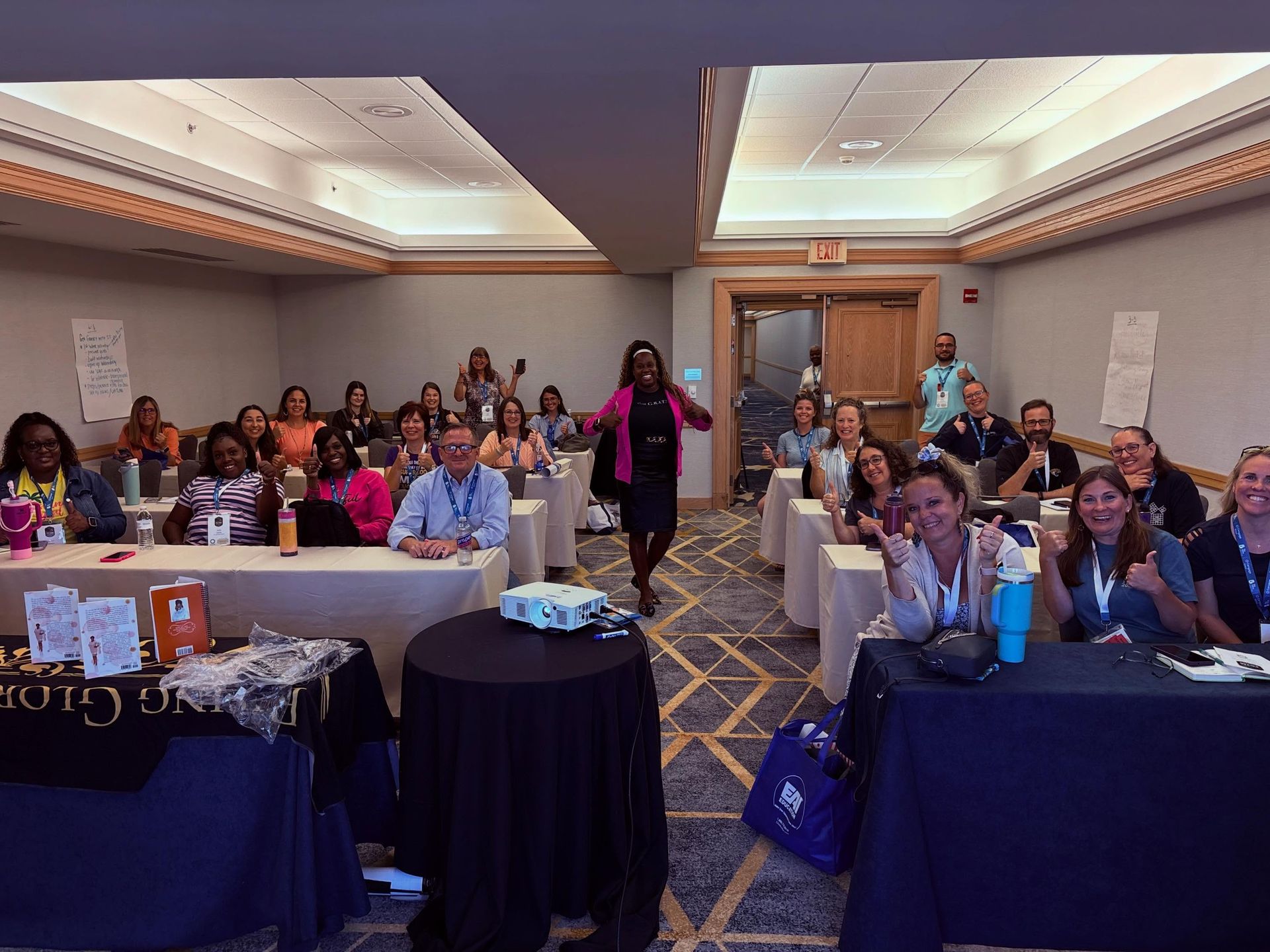
Excited to Speak at FCTM!!
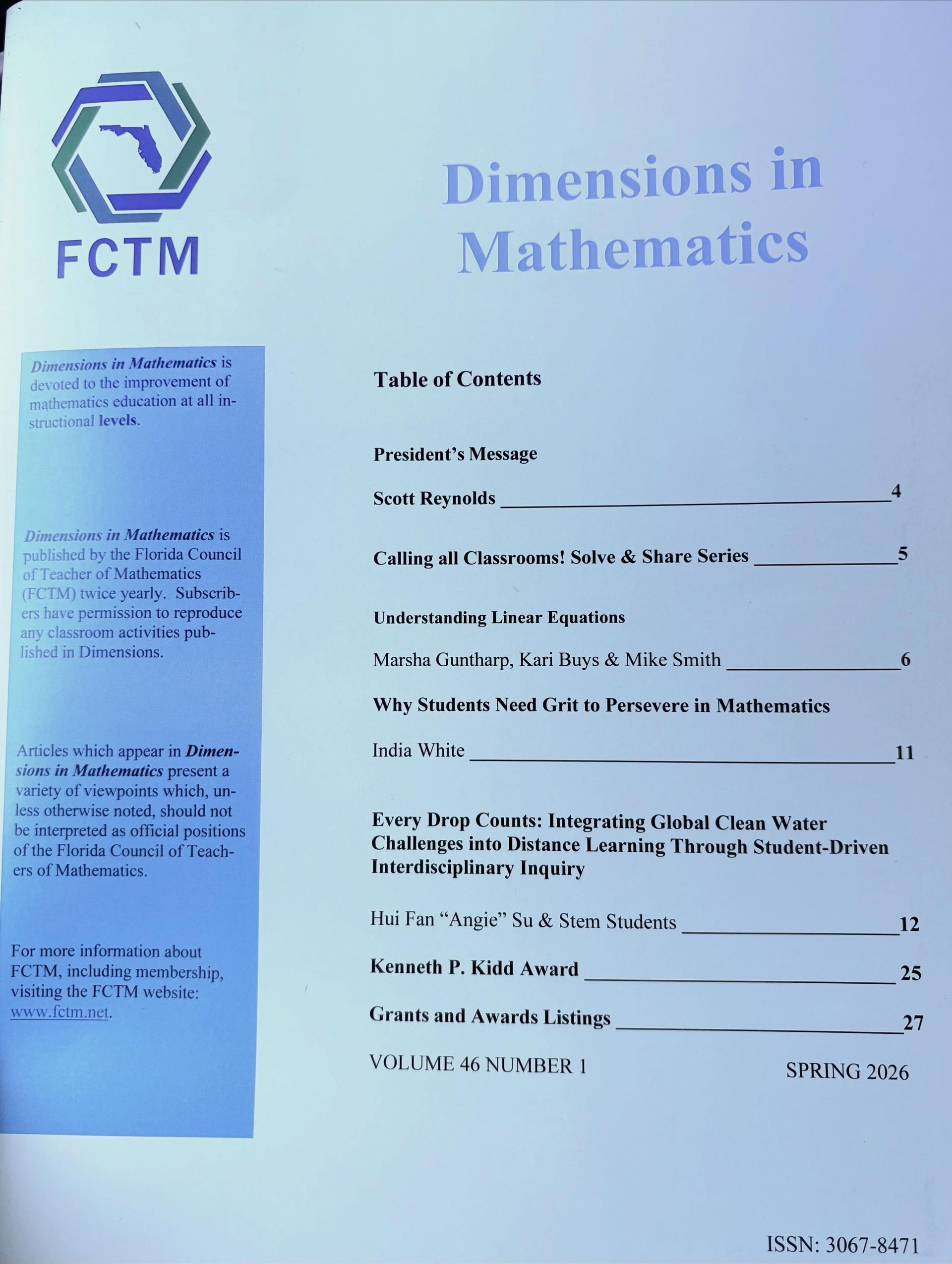
Grateful for the FCTM Dimensions Feature!
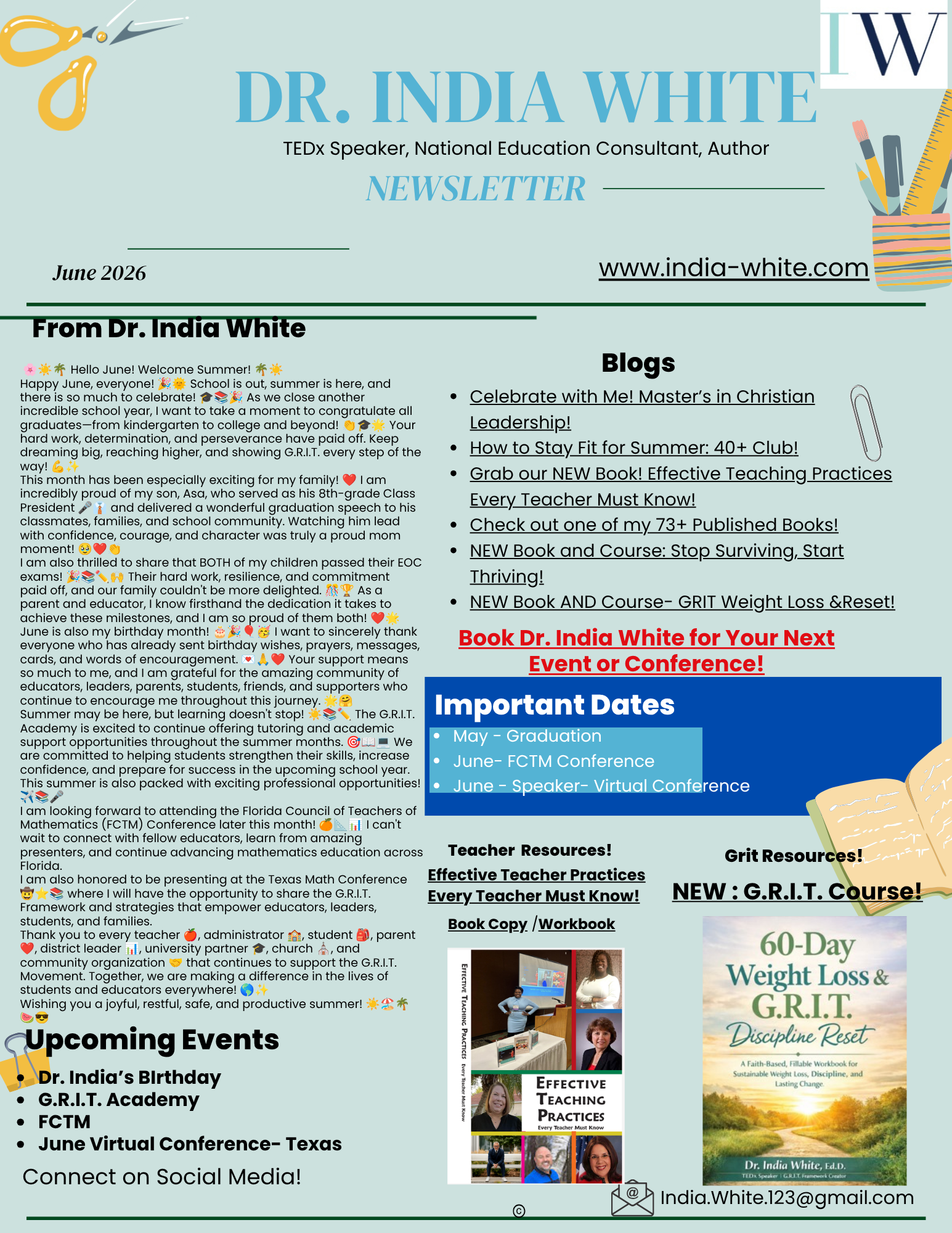
Check out my June Newsletter!
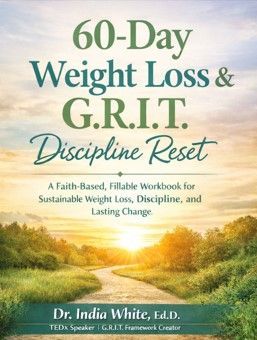
It's Time for a Reset!

Gritty Tips for Moms!
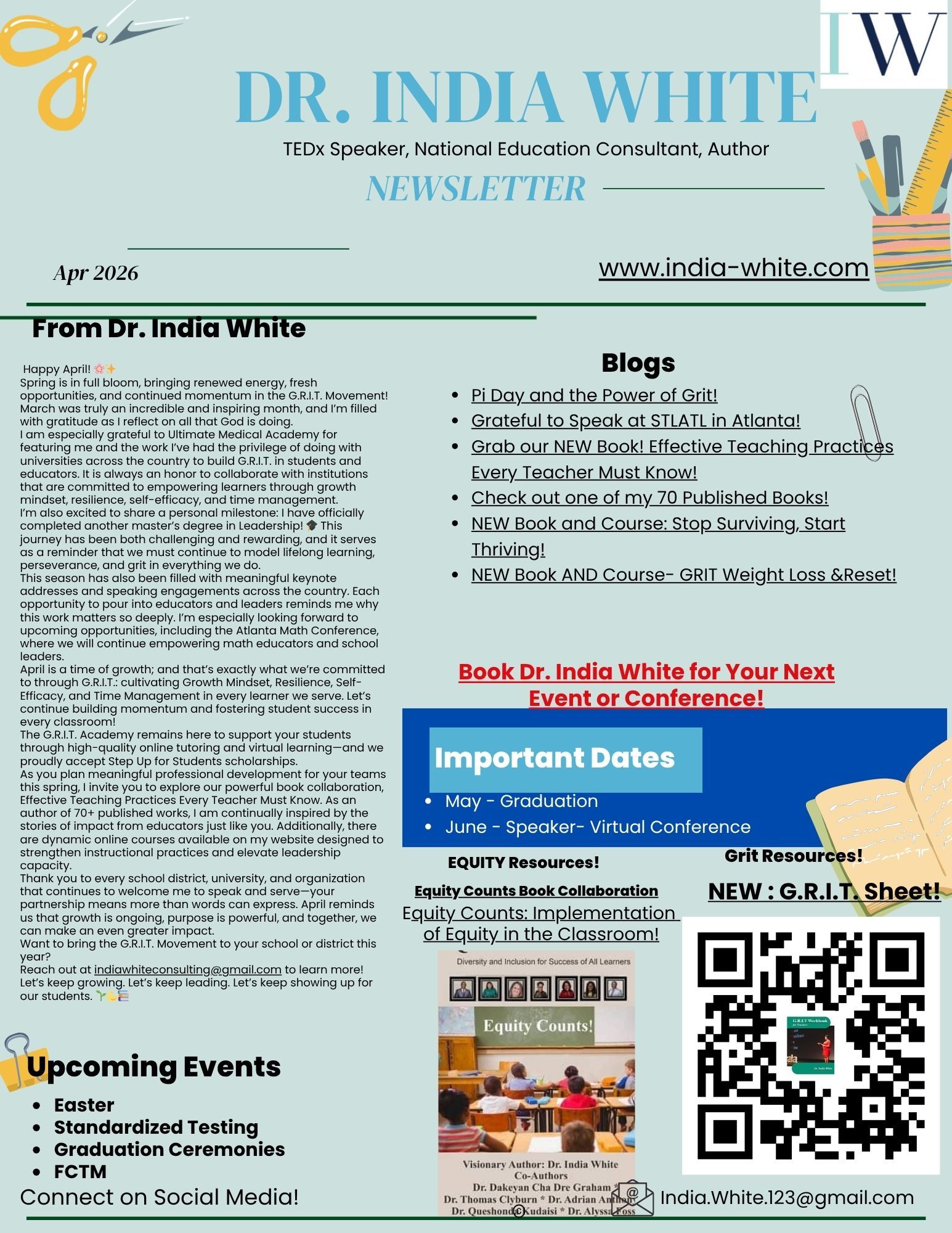
May Newsletter is Here!

Grateful for Degree # 4- M.A.
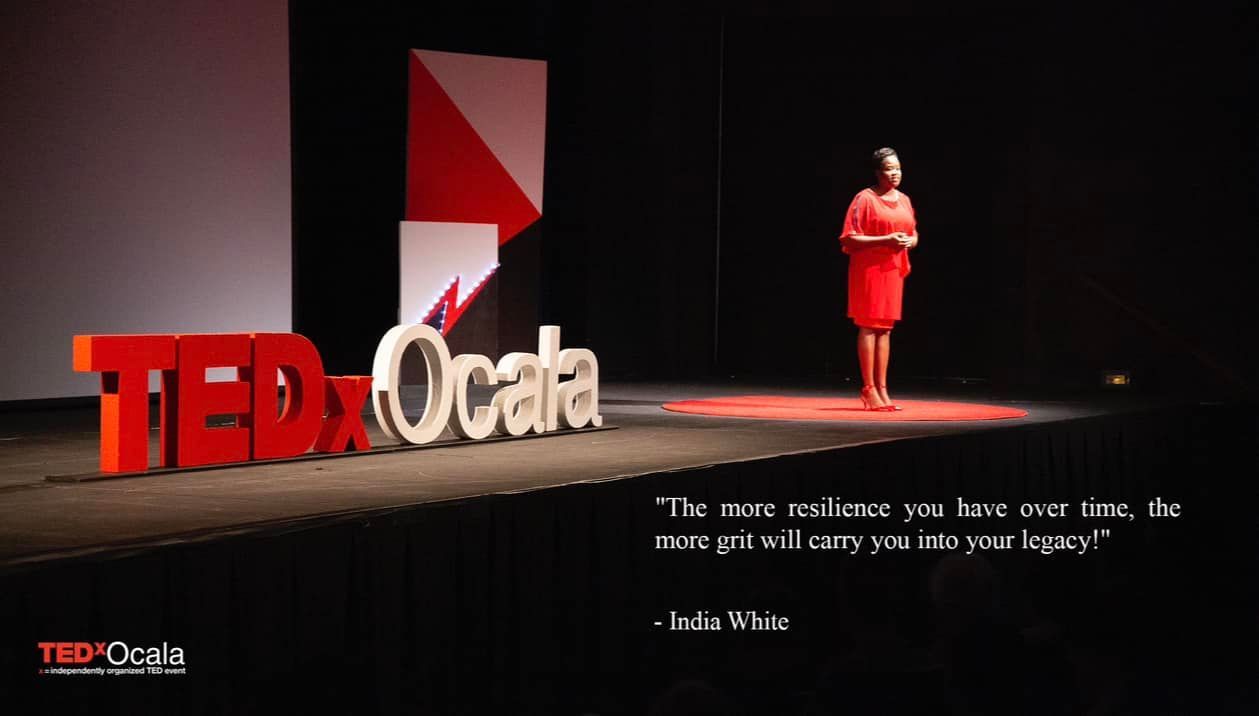
Gritty to the Finish Line!
🌸✨ Happy April, G.R.I.T. Family! ✨🌸 I’m so excited to share that my April Newsletter is officially LIVE! 🙌🏽📬 This month is filled with growth, gratitude, and powerful momentum, and I couldn’t wait to bring you along on the journey! 💫 🎉 Inside this month’s newsletter: ✨ A special feature with Ultimate Medical Academy and the impactful work we’re doing with universities to build G.R.I.T. in students and leaders 🎓 Celebrating a personal milestone; I’ve completed my Master’s in Christian Leadership! 🎤 Speaking engagements (including the Atlanta Math Conference 👀) 📚 Ways we’re continuing to support students and educators through the G.R.I.T. Framework This season is all about growth, purpose, and impact—and I’m more energized than ever to continue leading leaders nationwide and building strong character through G.R.I.T. 💪🏽🌱 💼 Let’s Partner! I’m currently booking: 🎤 Speaking engagements 📚 G.R.I.T. Academy tutoring 🎯 Consulting services for schools, districts, and universities If you’re ready to bring the G.R.I.T. Movement to your organization, let’s connect! 📩 indiawhiteconsulting@gmail.com Let’s keep growing. Let’s keep leading. Let’s stay G.R.I.T.T.Y.! 💥🔥📚 hashtag#DrIndiaWhite hashtag#GRITMovement hashtag#Leadership hashtag#Education hashtag#NewsletterLaunch hashtag#GrowthMindset hashtag#Resilience hashtag#ChristianLeadership hashtag#LetsGetGritty hashtag#nctm hashtag#ncsm hashtag#bwxme hashtag#n