Staying G.R.I.T.T.Y. to the FINISH LINE!
Gritty to the Finish Line!
Staying G.R.I.T.T.Y. to the Finish Line: Finishing the School Year with Purpose and Power
As the school year draws to a close, a familiar shift begins to take place in classrooms everywhere. Energy wanes, attention drifts toward summer, and both educators and students feel the weight of cumulative fatigue. Deadlines loom, testing pressures intensify, and motivation can become increasingly difficult to sustain.
Yet, this final stretch is not simply a countdown: it is a critical period of consolidation, reflection, and growth. Research consistently shows that how individuals finish a task or experience often shapes their overall perception of it (Kahneman, 2011). In education, the end of the year is not the time to disengage; it is the time to lean more intentionally into the habits and mindsets that sustain success.
One powerful way to navigate this period is through the lens of G.R.I.T.: Growth Mindset, Resilience, Self-Efficacy, and Time Management. Grounded in the work of scholars like Angela Duckworth, G.R.I.T. represents the sustained effort and passion necessary to achieve long-term goals. By applying this framework, educators and students can finish the year not just completed, but accomplished.
🌱 Growth Mindset: Finish Strong, Not Perfect
A common misconception at the end of the academic year is that success is defined by perfection—final grades, polished projects, or flawless performance. However, decades of research by Carol Dweck emphasize that a growth mindset—believing that abilities can be developed through effort—leads to greater achievement and resilience.
The end of the year is an opportunity to shift the narrative from “Did I get everything right?” to “How much have I grown?”
Encourage students to reflect on their journey:
- What challenges did they overcome?
- What skills did they develop?
- Where did they show persistence?
Growth is not always visible in final outcomes, but it is always present in effort and learning. When students recognize progress, they build the confidence to continue improving beyond the classroom.
💪 Resilience: Push Through End-of-Year Fatigue
Fatigue at this stage of the year is not a sign of failure—it is a natural response to sustained effort. However, resilience is defined not by the absence of difficulty, but by the ability to persist through it.
Research from the American Psychological Association highlights that resilience involves adaptive coping strategies, positive relationships, and a sense of purpose. In practical terms, this means helping students (and ourselves) develop small but powerful habits:
- Taking intentional breaks to reset focus
- Practicing positive self-talk
- Reconnecting with the purpose behind their work
Resilience is built in moments when quitting feels easiest. The end of the year provides a real-world opportunity to strengthen that capacity.
🔥 Self-Efficacy: “I Can Do This”
Belief in one’s ability to succeed (what Albert Bandura termed self-efficacy) is one of the strongest predictors of motivation and performance. Students who believe they can succeed are more likely to persist, apply effort, and ultimately achieve their goals.
The most effective way to build self-efficacy is through reflection on past success.
Encourage students to identify:
- Challenges they once found difficult but can now manage
- Goals they achieved earlier in the year
- Moments where effort led to improvement
These “evidence points” reinforce a powerful internal message: I’ve done hard things before—I can do them again.
For educators, this is equally important. Reflecting on your impact—student growth, relationships built, challenges navigated—can reignite a sense of purpose and capability during a demanding time.
⏳ Time Management: Be Intentional with the Final Weeks
The final weeks of school often feel compressed, with competing priorities and limited time. Without a clear plan, this period can quickly become overwhelming.
Effective time management is not about doing more; it is about doing what matters most, with clarity and intention.
Drawing on principles from executive functioning research, consider these strategies:
- Break large tasks into manageable steps
- Prioritize high-impact assignments and responsibilities
- Create structured timelines with clear checkpoints
Educators play a crucial role in modeling these skills. When students observe intentional planning and organization, they are more likely to adopt these habits themselves—skills that extend far beyond the classroom.
🏁 G.R.I.T. in Action: Stay Committed to the End Goal
At its core, grit is about sustained effort over time. According to Angela Duckworth, it is not talent alone that drives success, but the combination of passion and perseverance.
The end of the school year is where grit is most visible.
It shows up when:
- Students continue studying despite distractions
- Teachers maintain high expectations even when energy is low
- Both choose consistency over convenience
Visualization can be a powerful motivator here. Encourage students to picture the finish line—graduation, promotion, or simply completing the year with pride. That image can serve as a reminder of why their effort matters.
✨ Final Reflection: You Didn’t Come This Far Just to Come This Far
The closing weeks of the school year are not just about finishing—they are about how you finish. They are an opportunity to reinforce habits, mindsets, and skills that will carry forward into future challenges.
By embracing Growth Mindset, Resilience, Self-Efficacy, and Time Management, both educators and students can approach the end of the year with renewed clarity and purpose.
Finishing strong is not about perfection.
It is about persistence.
It is about intention.
It is about G.R.I.T.
So as the year comes to a close, remember:
You didn’t come this far just to come this far.
Finish with purpose.
Finish with strength.
Finish G.R.I.T.T.Y.
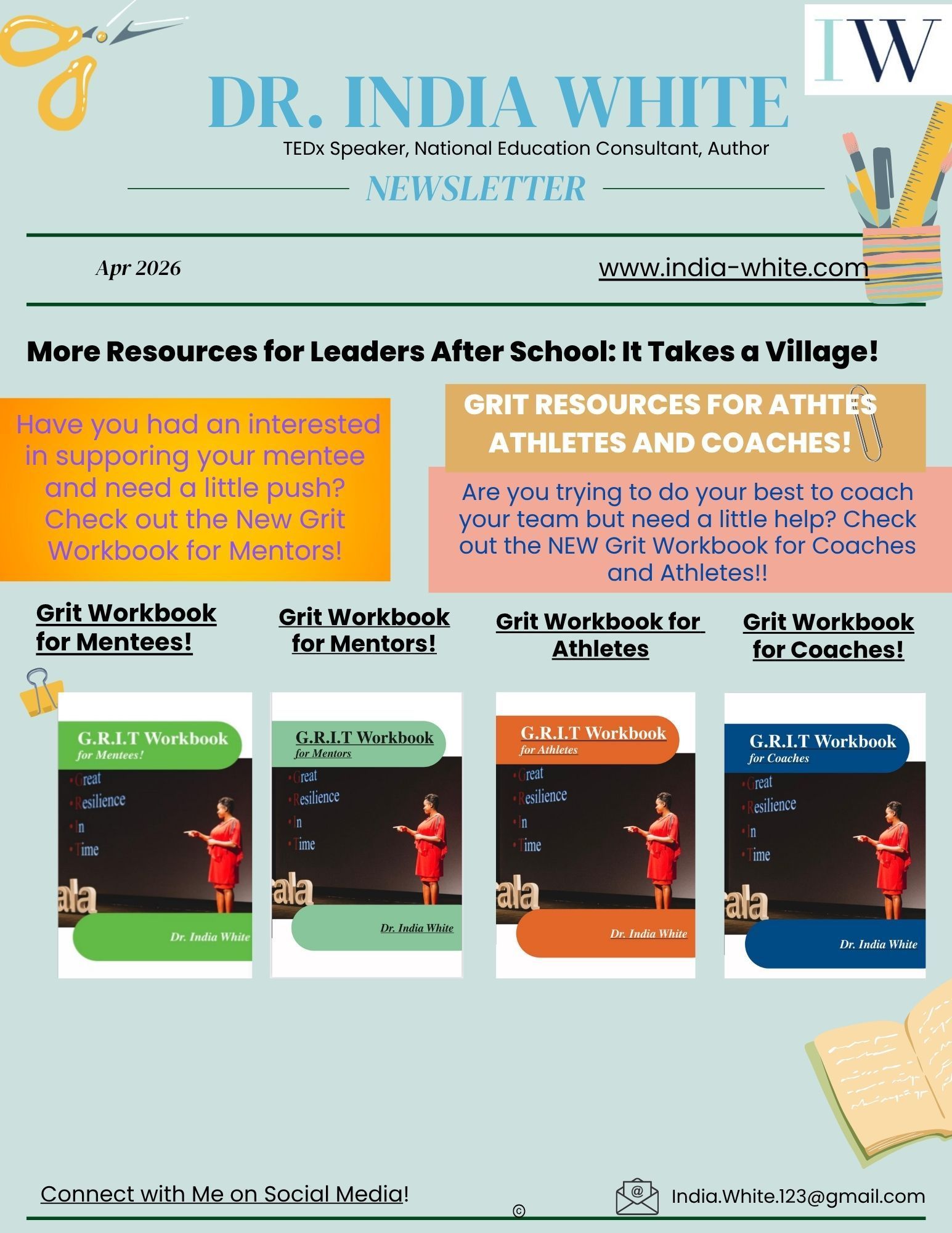
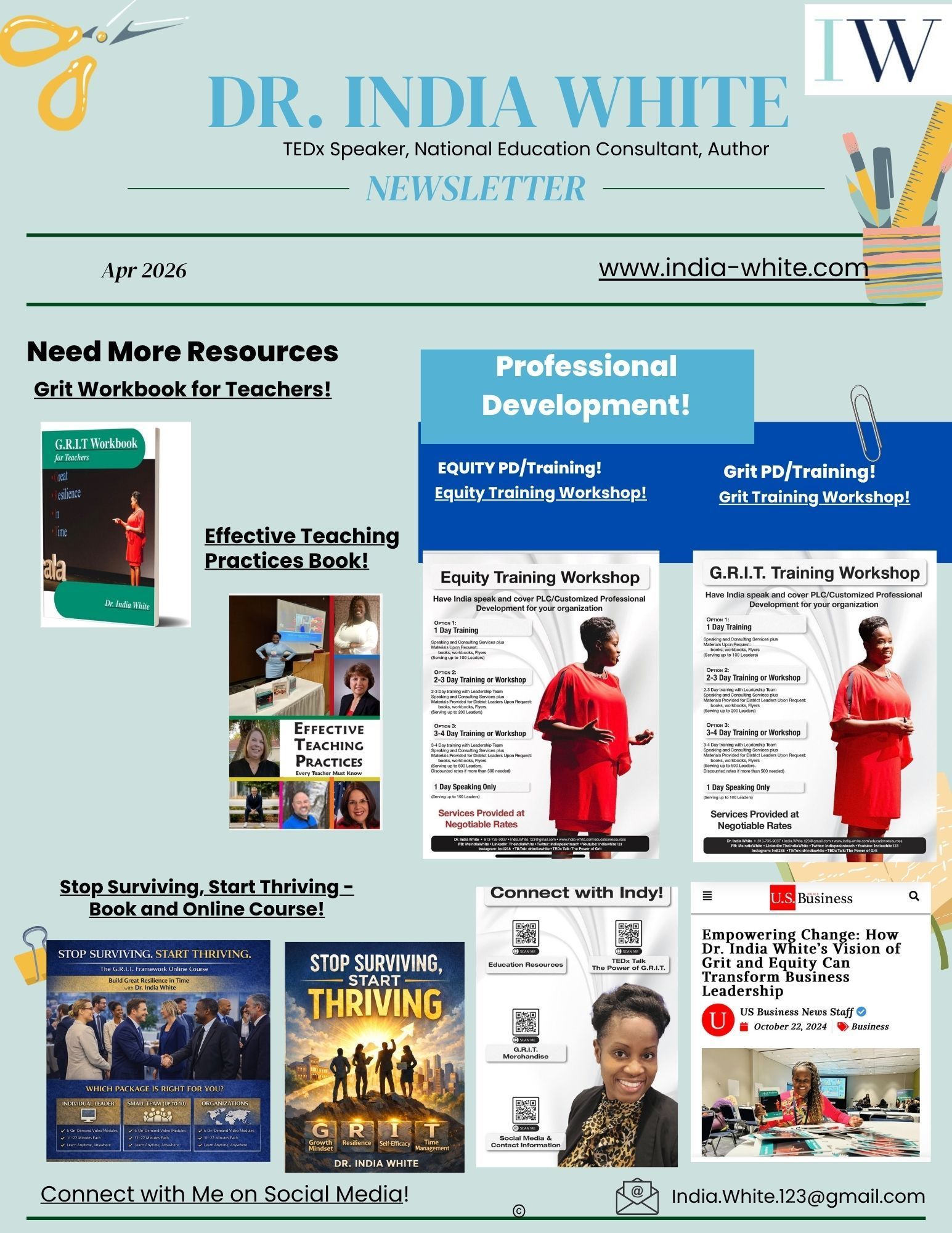
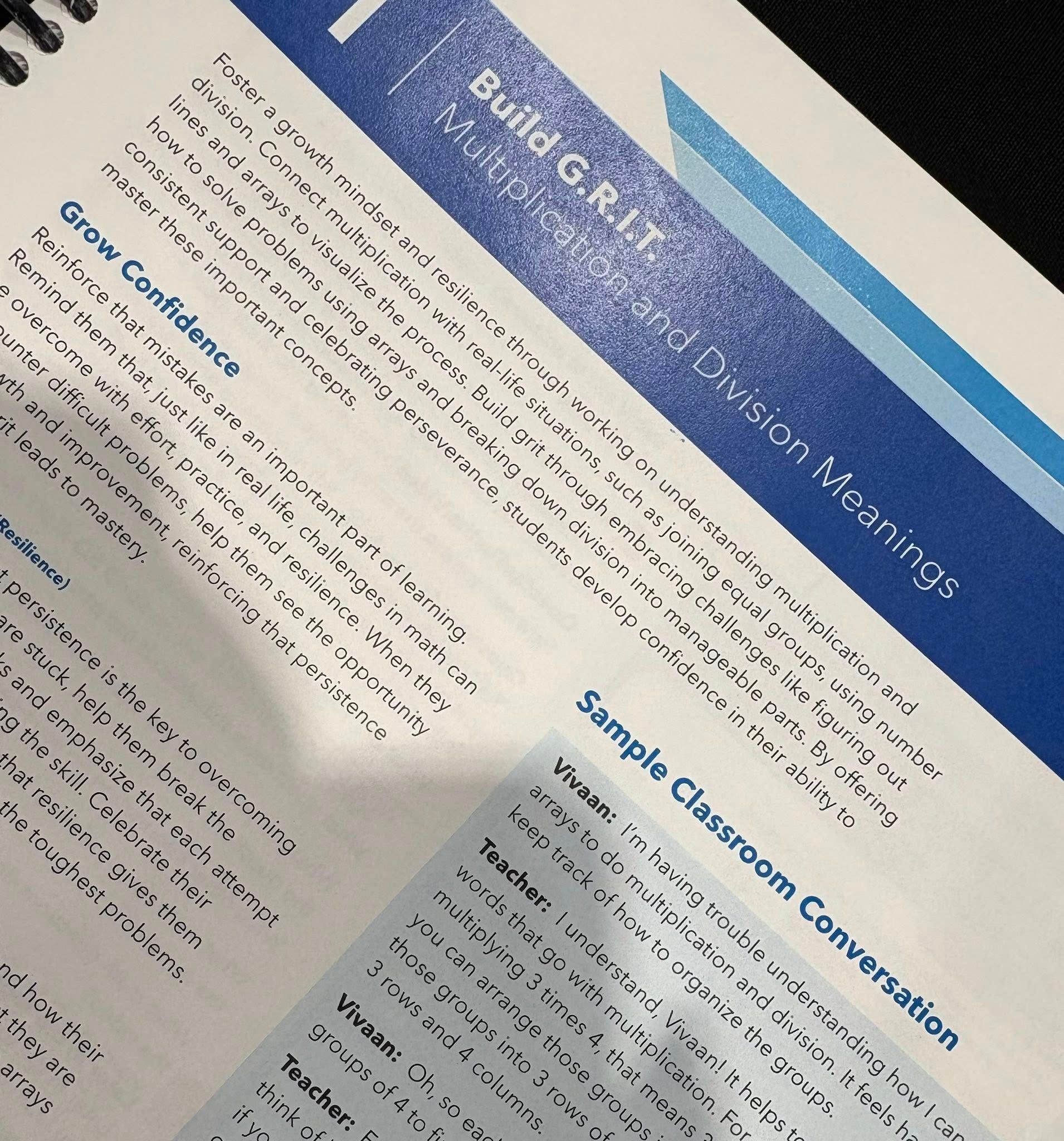
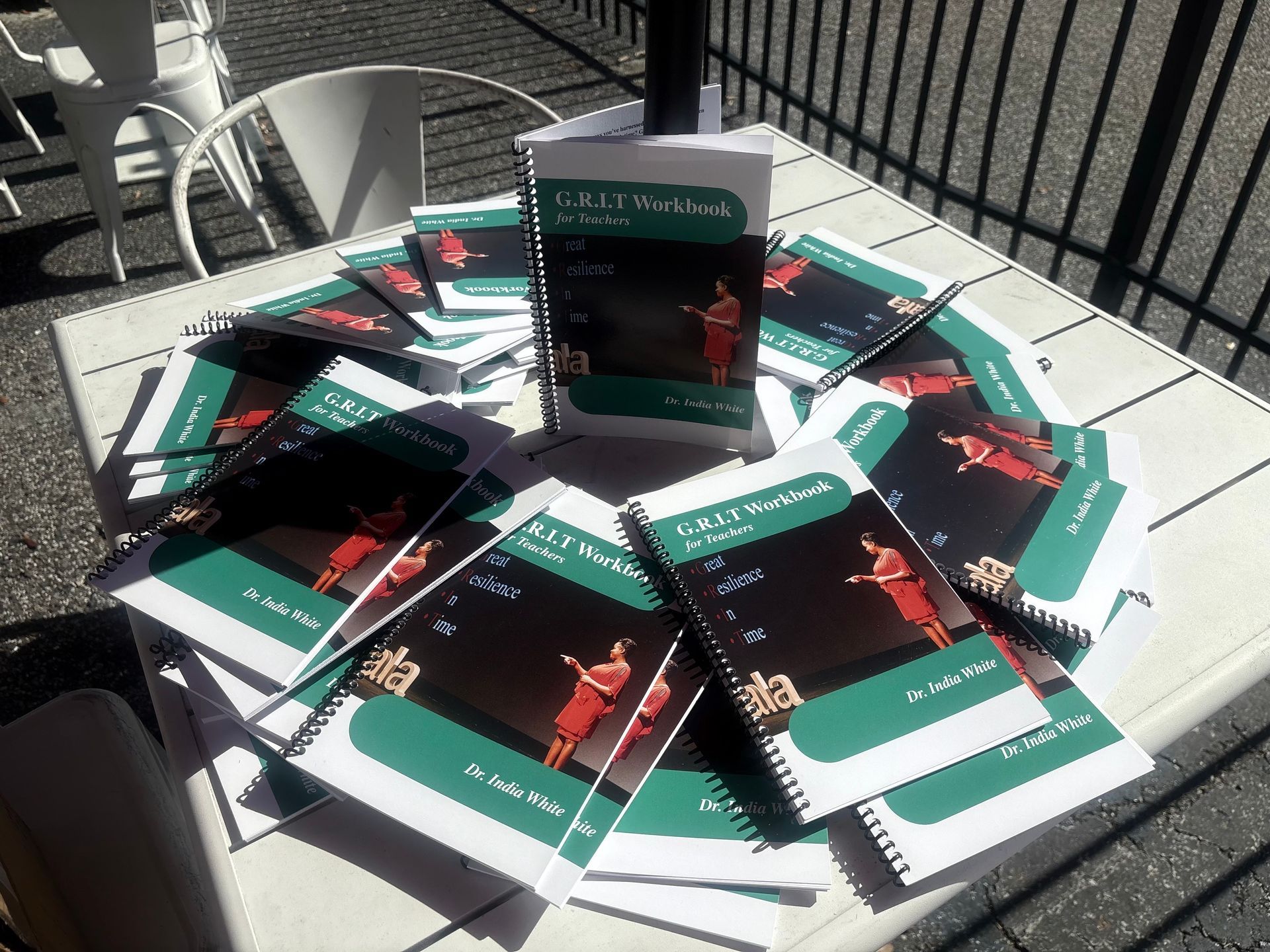
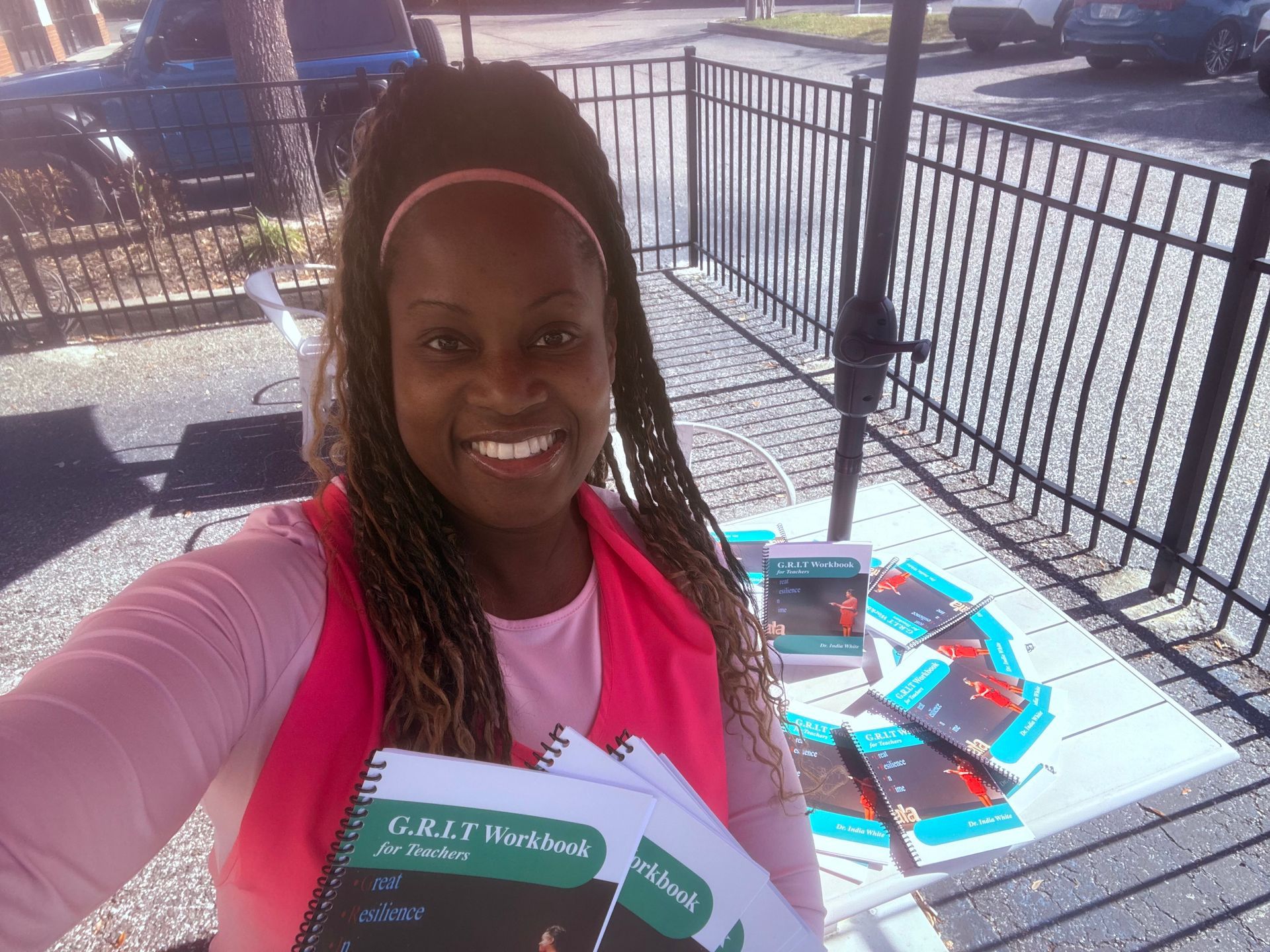
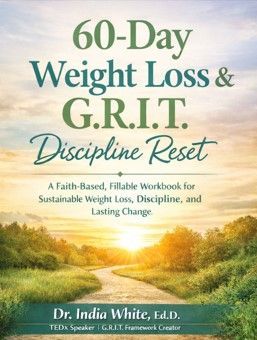
And grab a GRIT Workbook in your pursuit towards the finish line!
References
- Bandura, A. (1997). Self-efficacy: The exercise of control.
- Duckworth, A. (2016). Grit: The Power of Passion and Perseverance.
- Dweck, C. (2006). Mindset: The New Psychology of Success.
- Kahneman, D. (2011). Thinking, Fast and Slow.
- American Psychological Association. (n.d.). Resilience research and resources.