Happy New Year! Time to Go From Surviving to Thriving!
India White • January 2, 2026
From Surviving to Thriving!

It’s Time to Go from Surviving to Thriving Through Grit
As a new year begins, many leaders feel pressure to reset, refocus, and recommit—yet they do so while still carrying exhaustion from the year before. Survival mode has become normalized in leadership spaces, often disguised as dedication, resilience, or grit. Research shows that chronic survival mode leads to diminished performance, disengagement, and burnout over time (Maslach & Leiter, 2016). Surviving may keep leaders functioning, but it does not allow them to flourish.
This year offers an opportunity to lead differently by embracing grit as Great Resilience in Time.
My G.R.I.T. Framework—Growth Mindset, Resilience, Self-Efficacy, and Time Management—is designed to help leaders build capacity over time rather than deplete it. When these four pillars work together, leaders are better equipped to sustain motivation, adapt to challenge, and lead with clarity and care (OECD, 2020). Below are seven research-informed ways leaders can move from surviving to thriving in the new year through grit.
Thriving Tip 1: Redefine Grit as Sustainable Persistence
Grit is often misunderstood as pushing harder or lasting longer, but research demonstrates that persistence without recovery increases the risk of burnout rather than long-term success (Maslach & Leiter, 2016). Duckworth (2016) emphasizes that grit involves sustained effort toward meaningful goals, not blind endurance. When leaders redefine grit as Great Resilience in Time, they recognize that adaptation, rest, and strategy are essential to persistence. Thriving begins when effort is aligned with purpose and supported by systems that protect wellbeing.
Thriving Tip 2: Practice a Growth Mindset in Leadership Decisions
A growth mindset allows leaders to view challenges as opportunities to learn rather than threats to competence. Research shows that leaders who believe abilities can be developed are more likely to seek feedback, experiment with new strategies, and foster learning cultures (Dweck, 2006). Within the G.R.I.T. Framework, growth mindset is foundational because it shapes how leaders interpret setbacks and progress. Leaders who thrive consistently ask, “What can I learn from this?” rather than internalizing failure as a fixed trait.
Thriving Tip 3: Build Resilience That Includes Recovery
Resilience is not about ignoring stress but responding to it effectively. Studies indicate that sustainable resilience requires emotional regulation, access to support, and intentional recovery practices (Hobfoll, 2002). In the G.R.I.T. Framework, resilience means bouncing forward—not simply pushing through. Leaders who thrive schedule recovery as a leadership responsibility, understanding that restoration is directly connected to long-term effectiveness and decision quality (OECD, 2020).
Thriving Tip 4: Strengthen Self-Efficacy Through Action
Self-efficacy refers to a person’s belief in their ability to execute actions required to achieve specific goals (Bandura, 1997). Strong self-efficacy has been consistently linked to higher motivation, persistence, and performance across leadership contexts. Within the G.R.I.T. Framework, self-efficacy is built through mastery experiences, small wins, and visible progress—not positive thinking alone. Leaders thrive when they intentionally design opportunities for success and reinforce evidence of capability in themselves and others.
Thriving Tip 5: Treat Time Management as Energy and Attention Design
Time management is not about cramming more tasks into a day; it is about protecting focus and energy for what matters most. Research on cognitive load and attention shows that constant interruption undermines decision-making, creativity, and wellbeing (Maslach & Leiter, 2016). In the G.R.I.T. Framework, time management functions as a leadership system that aligns priorities with purpose. Leaders who thrive design calendars that reflect values, reduce unnecessary complexity, and preserve space for deep work and recovery.
Thriving Tip 6: Integrate G.R.I.T. Into Daily Leadership Practice
Thriving is not created by intention alone—it requires structure. Research on habit formation and organizational learning confirms that systems outperform willpower over time (Hobfoll, 2002). The G.R.I.T. integration process helps leaders translate belief into action through clear goals, consistent routines, learning through iteration, and healthy tenacity. Leaders thrive when grit is embedded into daily leadership practices rather than relying on motivation alone.
Thriving Tip 7: Lead in Ways That Allow Others to Thrive
Leadership success is not measured solely by individual achievement but by the environments leaders create. Research on organizational culture and psychological safety shows that people perform best when expectations are high and support is present (OECD, 2020). The G.R.I.T. Framework emphasizes ethical, equity-centered leadership that recognizes different starting points while maintaining excellence. Leaders truly thrive when they help others build Great Resilience in Time as well.
A New Year Invitation
Thriving does not require perfection, reinvention, or relentless hustle. It requires intention, alignment, and grit defined correctly. As you step into the new year, consider how Growth Mindset, Resilience, Self-Efficacy, and Time Management can work together to support sustainable leadership. This is the year to stop surviving—and start thriving with Great Resilience in Time.
References
Bandura, A. (1997). Self-efficacy: The exercise of control. W. H. Freeman.
Duckworth, A. L. (2016). Grit: The power of passion and perseverance. Scribner.
Dweck, C. S. (2006). Mindset: The new psychology of success. Random House.
Hobfoll, S. E. (2002). Social and psychological resources and adaptation. Review of General Psychology, 6(4), 307–324. https://doi.org/10.1037/1089-2680.6.4.307
Maslach, C., & Leiter, M. P. (2016). Understanding the burnout experience: Recent research and its implications for psychiatry. World Psychiatry, 15(2), 103–111. https://doi.org/10.1002/wps.20311
OECD. (2020). Supporting teacher and school leader resilience. OECD Publishing. https://doi.org/10.1787/4e6a5e7d-en
Visit www.india-white.com for more ways to work together and for more information!

I’m Excited to Speak at UCTM 2026 in Utah! I’m thrilled to share that I’ll be a featured speaker at the Utah Council of Teachers of Mathematics (UCTM) 2026 Conference, taking place January 27–28, 2026. This is one of the most energizing professional learning events for math educators in the region, and I’m honored to be part of it alongside so many inspiring teachers, leaders, and advocates for high-quality math instruction. (Utah Council of Teachers of Mathematics Join Me on January 27 Mark your calendars for Tuesday, January 27—I’ll be leading a session all about building grit in the math classroom. In this time together, we’ll explore practical strategies you can use right away to help students move from simply surviving challenging content to thriving academically and personally. We’ll dive into: * Why grit matters for deeper mathematical learning * How to cultivate a Growth Mindset as a classroom culture * Practical moves that strengthen Resilience, Self-Efficacy, and Time Management in students * Tools and classroom structures that support persistence and confidence Teachers will leave with usable ideas that support both student agency and equitable access to rigorous mathematics. Why This Matters for Math Educators Math classrooms are rich with productive struggle, complex problem-solving, and opportunities for sense-making. But without intentional support, students often interpret difficulty as inability. When we teach for grit in math, we help students understand that struggle is not a barrier—it’s a pathway to understanding and confidence. This is especially important in mathematics education because sustained effort and reflection are necessary for students to move from procedural fluency to conceptual understanding, reasoning, and sense-making. About the UCTM Conference The Utah Council of Teachers of Mathematics (UCTM) hosts this annual conference to bring together educators for learning, connection, and inspiration. UCTM 2026 will feature sessions, panels, and presenters focused on best practices in math teaching and leadership. (Utah Council of Teachers of Mathematics[2]) Whether you’re a classroom teacher, instructional coach, math specialist, or school leader, UCTM offers an opportunity to grow your practice and expand your professional learning network. Let’s Thrive Together I hope you’ll attend my session on January 27 and join the conversation about how we can design classrooms that empower students to thrive—academically, socially, and emotionally. When we build grit with intention, students not only persevere—they grow in confidence, agency, and joy in the mathematics. See you in Utah! — Dr. India White References [1]: https://www.utahctm.com/registration-1 "UCTM 2026 Conference Registration" [2]: https://www.utahctm.com/ "Utah Council of Teachers of Mathematics"

โจ Have you watched the conference yet? โจ If not, now is the perfect time to click the replay and experience the 2nd Annual Getting Gritty for the New Year Conference! ๐ชโจ This powerful global gathering brought together dynamic keynote speakers from Australia, England, California, and across the world, all united by one mission—helping women and leaders step boldly into the new year with G.R.I.T. A heartfelt thank you to our incredible keynote speakers and everyone who showed up ready to grow, persevere, and lead with purpose. ๐๐ซ ๐ Click the replay, get inspired, and get gritty for the year ahead! #GettingGritty #DrIndiaWhite #TEDx #GRIT #WomenLeaders #LeadershipDevelopment #GrowthMindset #Resilience #NewYearMomentum

It’s official! ๐ฅ The 2nd Annual Getting GRITTY for the New Year Conference is HERE—and we’re starting earlier and stronger than ever! ๐ช๐ฅ ๐
December 19, 2025 โฐ 2:00 PM – 8:30 PM EST ๐ฅ LIVE on YouTube & Facebook ๐ค Featuring ALL Keynote Speakers: โจ Dr. India White – Keynote & Vision Board Leader โจ Miriam Putnam – Keynote โจ Frances Helena – Keynote โจ Leticia Francis – Keynote โจ Siah Fried – Keynote โจ Annette Garsteck – Keynote โจ Live Panel Discussion – Q&A + Real Talk This powerful virtual experience will help you: โ๏ธ Build resilience โ๏ธ Strengthen your mindset โ๏ธ Set bold, gritty goals โ๏ธ Enter the new year with clarity, confidence, and purpose ๐ฏ Plus, don’t miss the LIVE Gritty Vision Board Experience led by Dr. India White! ๐ Register here: https://forms.gle/FZv7YtWrjxpmA2ip9 ๐ด YouTube LIVE: https://www.youtube.com/watch?v=4n-0A2NmQLw ๐ต Facebook LIVE Event: https://www.facebook.com/events/640093435791160 ๐ฅ Let’s finish strong and step into the new year GRITTY! #GettingGritty #GritForTheNewYear #Resilience #GrowthMindset #VisionBoard #LiveConference #NewYearReset #drindiawhite
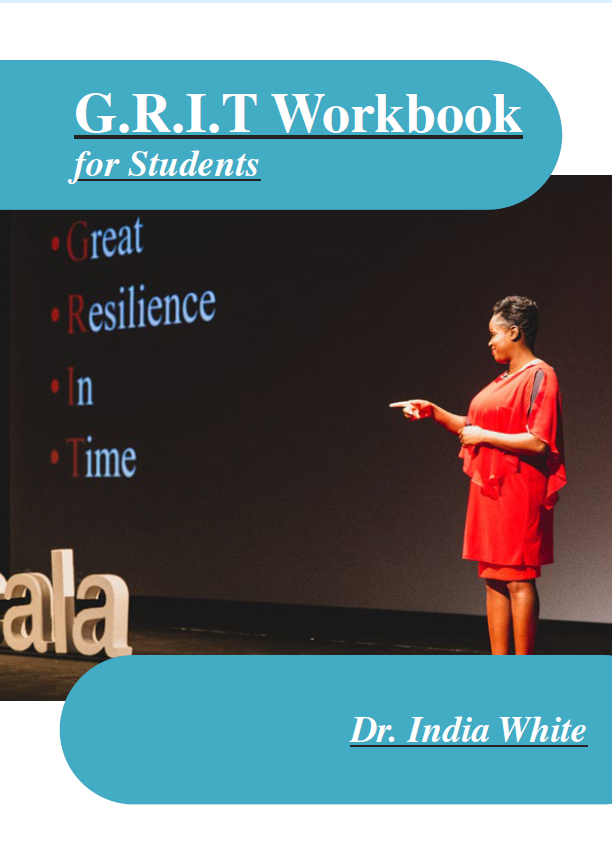
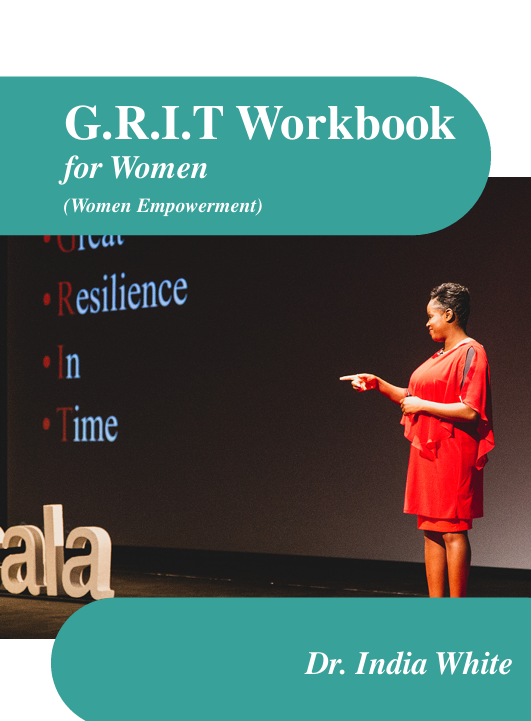
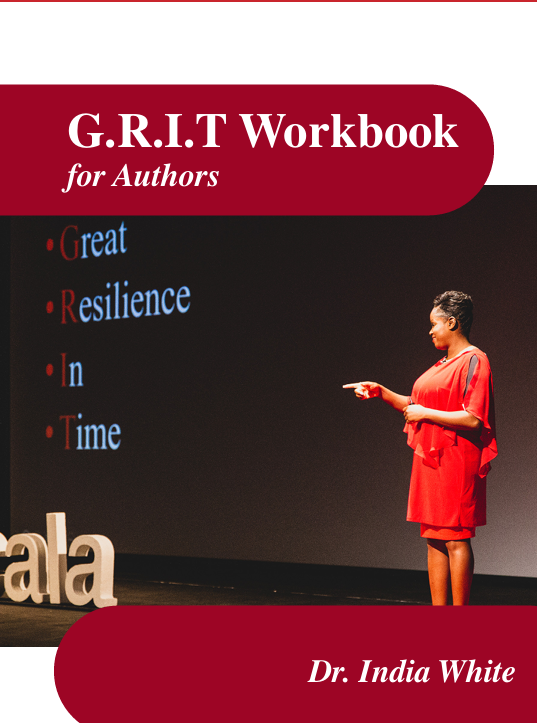
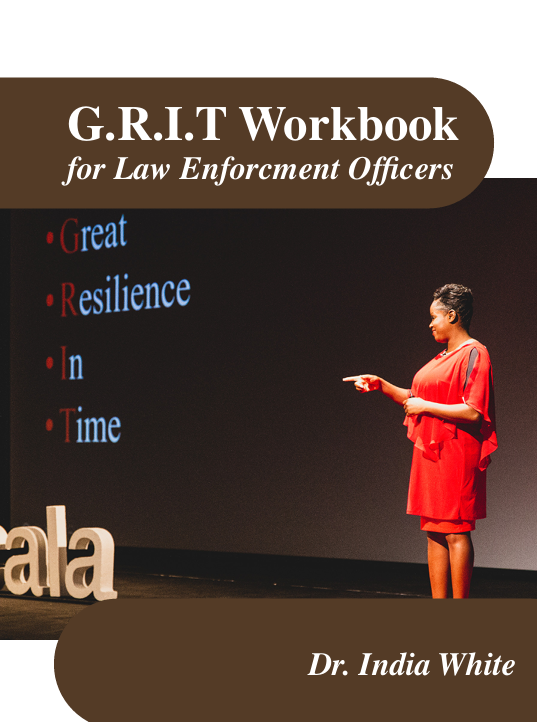
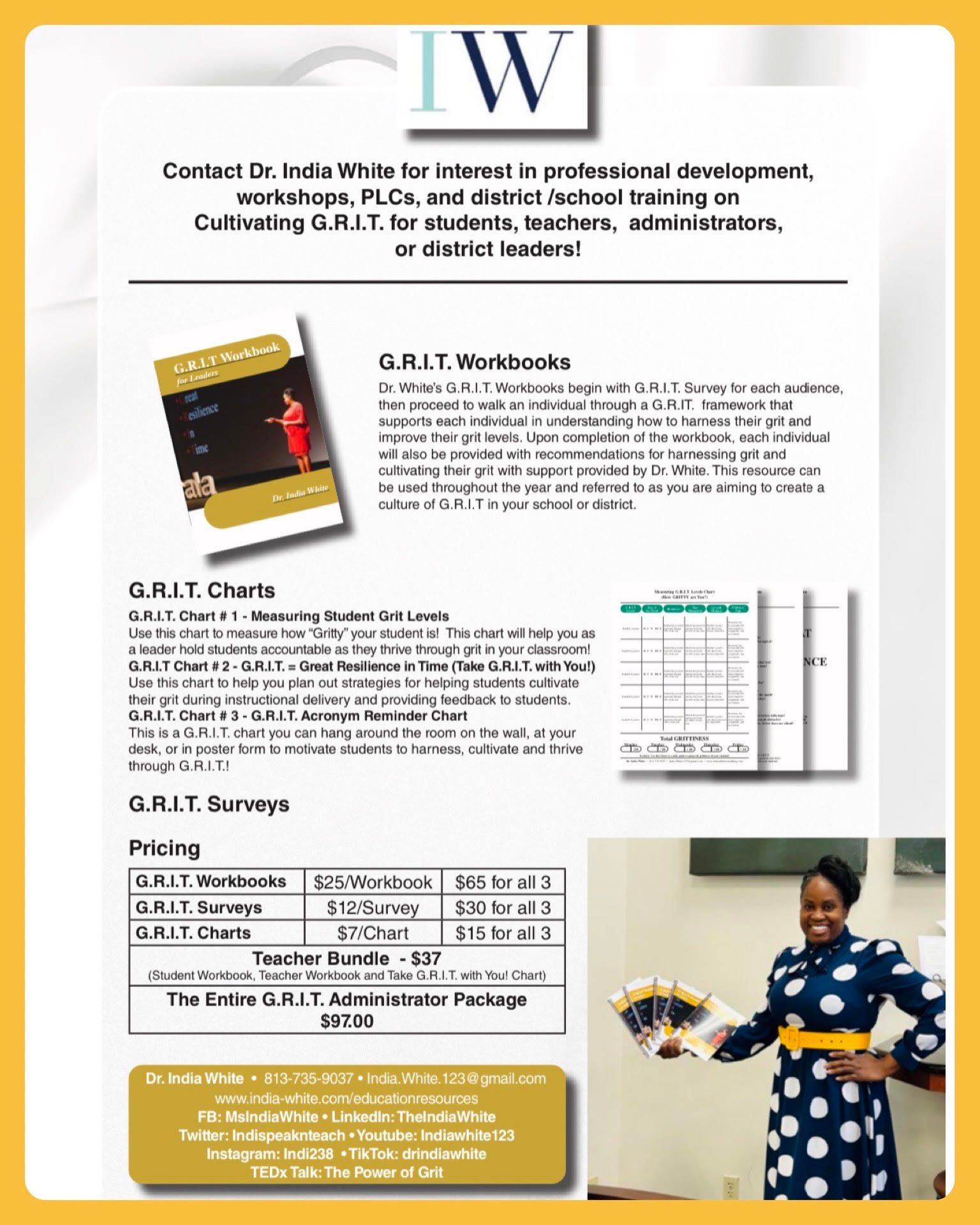
5 Ways to Build Mental Grit During the Holidays A G.R.I.T. Framework Guide for Leaders, Teachers, Students, and Families The holiday season is often painted as joyful and light-filled, yet for many people it quietly brings increased stress, emotional strain, financial pressure, and exhaustion. Leaders carry the weight of responsibility, teachers push through end-of-semester demands, students juggle expectations and transitions, and families try to hold everything together while honoring traditions, relationships, and rest. Mental grit during the holidays is not about forcing positivity or powering through at all costs. It is about enduring wisely. It is about staying grounded, focused, and emotionally regulated even when life feels full. Using the G.R.I.T. framework—Growth Mindset, Resilience, Self-Efficacy, and Time Management—we can approach the holidays with strength that sustains rather than drains. Below are five practical ways to build mental grit during the holiday season, supported by research and applicable across leadership, education, and family life. 1. Reframe the Season With a Growth Mindset A growth mindset reminds us that we are not required to get everything “right” to be successful. During the holidays, pressure often comes from perfectionism—perfect gatherings, perfect grades, perfect memories, perfect outcomes. Research on growth mindset, most notably by Carol Dweck, shows that individuals who view challenges as opportunities for learning are more resilient, persistent, and adaptive when plans change or obstacles arise. Instead of asking, “Did I do this perfectly?” ask, “What am I learning about myself in this season?” For leaders, this may mean learning how to delegate more effectively. For teachers, it may mean learning how to simplify instruction and expectations. For students, it may mean learning how to manage stress and uncertainty. For families, it may mean learning how to choose connection over comparison. Growth mindset allows grace to coexist with effort. 2. Strengthen Resilience Through Healthy Boundaries Resilience is not endless endurance; it is the ability to recover and return to balance. Psychological research on stress and coping highlights that stress is shaped not only by external demands, but by how individuals appraise those demands and the coping tools they believe they have available. One of the most powerful resilience tools during the holidays is boundaries. Healthy boundaries sound like: • “I can attend, but I will leave early.” • “I won’t engage in conversations that compromise my peace.” • “I will protect one evening a week for rest.” Leaders and teachers, in particular, experience emotional labor during the holidays as they support others while navigating their own responsibilities. Resilience grows when recovery is intentional—through rest, reflection, prayer, movement, or moments of quiet. Choosing peace is not avoidance; it is strategy. 3. Build Self-Efficacy Through Small, Meaningful Wins Self-efficacy, introduced by psychologist Albert Bandura, refers to a person’s belief in their ability to successfully execute tasks and handle challenges. Research consistently shows that self-efficacy predicts persistence, motivation, and emotional regulation. During the holidays, demands can feel overwhelming, which lowers confidence. The fastest way to rebuild self-efficacy is through micro-wins—small, achievable tasks that provide evidence of capability. Examples include: • A student completing one focused study session • A teacher grading one assignment set instead of everything • A leader completing one strategic priority • A family organizing one space or planning one meal Each completed task sends a message to the brain: “I can do hard things.” Confidence grows not from motivation, but from evidence. 4. Use Time Management as a Mental Health Tool Time management is often discussed as a productivity skill, but research increasingly shows its relationship to reduced stress and improved well-being. When time feels chaotic, the mind feels unsafe. Structure creates calm. A simple holiday time-management strategy is the GRIT Priority Plan: • Must-Do: Top three priorities that truly matter • Nice-to-Do: Optional activities that bring joy • Not-Doing: Tasks or expectations you are intentionally releasing Leaders, teachers, students, and families benefit when calendars include buffer time, rest time, and transition time. A schedule is not a restriction—it is protection. Managing time is managing energy. 5. Practice Recovery With Self-Compassion Grit without compassion leads to burnout. Research on self-compassion and mindfulness consistently shows reductions in stress, anxiety, and emotional exhaustion when individuals treat themselves with kindness rather than criticism. Mental grit does not mean ignoring emotions. It means acknowledging them without being controlled by them. A simple daily reset: • Inhale slowly for four counts • Exhale for six counts • Relax the shoulders • Repeat a compassionate phrase: “I am doing the best I can with what I have.” This moment of regulation helps the nervous system reset and supports emotional endurance through demanding seasons. A Final Word on Holiday Grit True grit is not loud. It is steady. It is choosing progress over perfection. It is protecting peace without guilt. It is believing you are capable—even when tired. It is managing time so life doesn’t manage you. It is resting without shame. This holiday season, remember: You don’t have to carry everything to be strong. You don’t have to do everything to be worthy. You can be gritty and gentle at the same time. That is mental grit—and it lasts far beyond the holidays. โจ Invitation to Go Deeper With G.R.I.T. in 2026 โจ As we prepare to step into a new year, this is your invitation to move beyond motivation and into transformation. Grit is not just about pushing harder—it’s about learning how to endure with purpose, clarity, and confidence. Through the G.R.I.T. framework—Growth Mindset, Resilience, Self-Efficacy, and Time Management—individuals and organizations across the nation have strengthened persistence, rebuilt confidence, and created sustainable success. If you are ready to build real grit in your life, leadership, classroom, or organization, I invite you to take the next step. ๐ Purchase a G.R.I.T. Workbook My G.R.I.T. Workbooks are designed to help you: • Strengthen mental and emotional endurance • Develop a resilient, growth-focused mindset • Build confidence through intentional action • Manage time and energy with purpose Each workbook is practical, reflective, and applicable to students, educators, leaders, families, and faith communities. ๐ Explore and purchase your G.R.I.T. Workbook at: www.india-white.com ๐ค Book Dr. India White for Gritty Work in 2026 If your school, district, organization, church, or leadership team is ready to cultivate grit in a meaningful and measurable way, I would be honored to partner with you. Speaking, training, and consulting topics include: • Building Grit in Leaders and Teams • Cultivating Resilience in Schools and Classrooms • Bridging the Achievement Gap Through Grit • Mental Grit, Well-Being, and Burnout Prevention • G.R.I.T.-Aligned Vision, Strategy, and Culture 2026 bookings are now open for: โ๏ธ Keynotes โ๏ธ Workshops & Professional Development โ๏ธ Retreats & Leadership Summits โ๏ธ Virtual and In-Person Engagements ๐ Request booking information or schedule a consultation at: www.india-white.com ๐ฑ A Final Word The new year doesn’t require a new you—it requires a grittier commitment to the growth already within you. Let’s do the work together. With purpose and grit, Dr. India White Ready to build real grit in 2026? ๐ Grab a G.R.I.T. Workbook or ๐ค Book Dr. India White for gritty leadership, school, or organizational work. ๐ Visit www.india-white.com

Title: Staying Gritty While Staying Well — 10 Essential Tips for Teachers, Principals, and Leaders By Dr. India White Every educator and leader carries a story marked by perseverance, sacrifice, and determination. Whether you’re guiding a kindergarten classroom, leading a school, or shaping district-wide decisions, you are required to show up daily with strength and consistency. Today’s professionals face growing demands, shifting expectations, and intensified pressures. Yet, in the midst of these challenges, educators continue to push forward with grit. But thriving in this vocation requires more than effort. It requires a marriage of grit and self-care. The G.R.I.T. Framework—Growth Mindset, Resilience, Self-Efficacy, and Time Management—offers a roadmap for teaching and leading with excellence while preserving emotional and spiritual well-being. Below are ten essential tips, enriched by research and practical application, to help you maintain grit while safeguarding your health. 1. Embrace a Growth Mindset Dr. Carol Dweck’s foundational research shows that educators who adopt a growth mindset exhibit higher motivation, stronger performance, and greater resilience when navigating challenges (Dweck, 2006). A growth mindset encourages educators to view setbacks not as failures, but as learning opportunities. When teachers and leaders shift their thinking in this way, they develop adaptability and emotional strength. This perspective reduces anxiety by reframing obstacles as steps toward mastery rather than indicators of inadequacy. In turn, this empowers educators to remain hopeful and open to new solutions, even during seasons of uncertainty. 2. Practice Micro-Resilience Daily Reivich and Shatté (2002) define micro-resilience as the small, intentional behaviors that strengthen our ability to bounce back from adversity. These everyday actions might seem insignificant, but research shows that consistent micro-interventions reduce stress and increase psychological stamina over time. Educators can practice micro-resilience by taking short reflective breaks, resetting between transitions, or engaging in calming breathing exercises. These strategies interrupt the stress cycle and help prevent emotional overload. By incorporating micro-resilience into daily routines, leaders strengthen their long-term grit while maintaining emotional balance. 3. Build Self-Efficacy Through Small Wins Albert Bandura’s work on self-efficacy demonstrates that belief in one’s capability significantly influences motivation, performance, and resilience (Bandura, 1997). Teachers and principals who recognize and celebrate small victories reinforce their sense of competence. These wins, no matter how minor, build internal momentum and enhance confidence. When educators track or verbalize progress, they strengthen the neural pathways associated with persistence. As a result, they are more likely to approach future challenges with optimism and determination. 4. Set Healthy Boundaries Angela Duckworth’s research highlights that grit is not about working endlessly, but about sustaining long-term passion and perseverance (Duckworth, 2016). To sustain grit, educators must create boundaries that protect their emotional and physical capacity. Setting healthy boundaries involves defining what tasks deserve your time, communicating needs clearly, and resisting the pressure to overextend. Leaders who practice boundary-setting demonstrate clarity, emotional intelligence, and responsible stewardship of their energy. By doing so, they model healthy work practices for their teams and prevent burnout. 5. Protect Time With Strategic Scheduling Time management is not merely a productivity strategy—it is an essential aspect of well-being. Research shows that effective time management reduces stress, improves decision-making, and enhances overall job satisfaction (Macan et al., 1990). Educators benefit from establishing routines that allow for focused work while making space for mental and emotional rest. Techniques such as time blocking, delegation, and prioritizing high-impact tasks create structure and reduce decision fatigue. When teachers and leaders guard their schedules with intention, they create an environment where purposeful work can thrive. 6. Cultivate a Supportive Community A supportive professional community is one of the most powerful predictors of educator well-being. Studies show that educators who feel supported by colleagues experience lower burnout rates and higher job satisfaction (Skaalvik & Skaalvik, 2010). Community fosters meaningful collaboration, emotional encouragement, and shared problem-solving. When principals and teachers rely on supportive networks, they build collective resilience that strengthens their ability to manage adversity. Investing in community is not an optional supplement—it is a critical component of long-term grit. 7. Engage in Reflective Practice Donald Schön’s research on reflective practice emphasizes that leaders who reflect consistently make more thoughtful decisions and respond more effectively to complex challenges (Schön, 1983). Reflection provides a mental framework for processing emotions, evaluating decisions, and learning from experience. Through journaling, prayer, or conversation with trusted colleagues, educators gain clarity and renewed strength. Reflection also helps identify patterns that may require adjustment, reducing repeated stress. By creating space for intentional reflection, educators deepen their capacity for resilience and long-term success. 8. Reconnect With Your “Why” Purpose is a powerful motivator that fuels grit. Research shows that individuals who connect with their core purpose are more likely to persist through obstacles and recover more quickly from setbacks (Seligman, 2011). For educators, this purpose might be a passion for student growth, a commitment to equity, or a desire to lead transformative change. When teachers and leaders revisit the moments that inspired their calling, they reinforce their emotional and motivational foundation. Purpose-driven educators remain anchored even when external circumstances shift. 9. Prioritize Well-Being Practices Studies consistently show that educators who engage in intentional well-being practices experience lower levels of stress and greater professional longevity (Jennings & Greenberg, 2009). Self-care is not indulgent—it is an investment in your ability to lead effectively. Incorporating spiritual reflection, exercise, rest, and emotional wellness activities enhances performance and protects mental health. These practices restore the mind and spirit, helping educators respond to challenges with calmness and clarity. By prioritizing wellness, teachers and principals can sustain grit without sacrificing their well-being. 10. Give Yourself Grace Self-compassion is strongly linked to resilience, motivation, and mental well-being (Neff, 2003). Grace allows educators to release perfectionism and acknowledge their humanity. When leaders treat themselves with kindness rather than judgment, they create space for growth and recovery. Grace fuels perseverance by allowing room for mistakes and fresh starts. In giving yourself grace, you strengthen your ability to push through obstacles without internalizing unnecessary stress. A Final Word of Hope To every teacher, principal, and leader reading this: you are seen, valued, and deeply appreciated. The challenges you face do not diminish your worth or your impact. You are making a difference every day, even when the results are not immediately visible. Remember that grit and self-care are not opposites—they are partners. With the right strategies, support, and boundaries, you can continue to thrive and lead with courage. Better days are ahead, and you have everything you need to navigate this season with strength and purpose. If you would like support in building grit within your school, district, or organization, I would love to connect with you. Visit www.india-white.com to explore speaking opportunities, coaching, workshops, books, Grit Trainings, and more. References Bandura, A. (1997). Self-efficacy: The exercise of control. Duckworth, A. (2016). Grit: The power of passion and perseverance. Dweck, C. (2006). Mindset: The new psychology of success. Jennings, P., & Greenberg, M. (2009). Prosocial classroom: Teacher social and emotional competence in relation to student and classroom outcomes. Macan, T. H., Shahani, C., Dipboye, R. L., & Phillips, A. P. (1990). College students' time management: Correlations with academic performance and stress. Neff, K. (2003). Self-compassion: An alternative conceptualization of a healthy attitude toward oneself. Reivich, K., & Shatté, A. (2002). The resilience factor. Schön, D. A. (1983). The reflective practitioner. Seligman, M. (2011). Flourish. Skaalvik, E., & Skaalvik, S. (2010). Teacher burnout and job satisfaction.

Thriving Through G.R.I.T. During the Holidays As the holiday season approaches, teachers can thrive by intentionally leaning into G.R.I.T.—Growth Mindset, Resilience, Self-Efficacy, and Time Management. This season often brings excitement but also fatigue, shifting schedules, and emotional demands. Embracing a Growth Mindset reminds teachers that progress—not perfection—is the goal, while Resilience helps them bounce back from daily challenges with grace. Strengthening Self-Efficacy empowers educators to trust their abilities and celebrate the meaningful wins happening in their classrooms each day. By practicing purposeful Time Management, teachers can protect their energy, set healthy boundaries, and create space for rest and joy. Thriving through G.R.I.T. allows educators to remain grounded, present, and empowered—ensuring they finish the semester strong while caring for themselves in the process. The holiday season brings joy—but also stress, expectations, emotional triggers, and exhaustion. Thriving through the holidays requires intentional grit: choosing growth, calm, and perseverance when everything around you feels rushed or overwhelming. Here’s how to lean into the G.R.I.T. Framework and maintain peace, productivity, and purpose. 1. Growth Mindset: Embrace Imperfect Progress * Allow room for changes in plans—weather, finances, or family dynamics may shift. * Don’t expect perfection; expect adaptation. * Remember that every challenge helps you grow in patience, flexibility, and self-awareness. * Reframe struggles as learning moments: “What is this teaching me?” Holiday Growth Mindset Affirmation: I release perfection and embrace progress, presence, and purpose.” 2. Resilience: Bounce Back With Grace When conflicts arise, pause before reacting. Practice your “resilience reset” (deep breaths, step away, pray, journal). * Protect your emotional boundaries—say no without guilt. * If grief or loneliness feels heavy, honor it. Resilience doesn’t deny pain; it rises through it. * Identify a daily habit that grounds you: morning prayer, gratitude walk, or music therapy. Holiday Resilience Affirmation : “I can rise again. I will not let one moment define my entire season.” 3. Self-Efficacy: Believe in Your Strength and Capability * Celebrate the small wins: the decorations that did get up, the gift you gave, the act of kindness you showed. * Avoid comparing your holiday to others—your journey is unique. * Speak encouraging truths to yourself: * “I am capable.” * “I’ve succeeded before; I can do it again.” * “I deserve rest and joy.” * Make choices that align with your values, not pressure or expectations. Holiday Self-Efficacy Affirmation: “I trust myself. I have what it takes to navigate this season with grace.” 4. Time Management: Protect Your Peace by Planning with Purpose * Create a holiday priority list—focus on what actually matters. * Schedule downtime, not just events. Rest is a strategy, not a luxury. * Set spending boundaries to avoid financial stress. * Use timers for holiday tasks (e.g., cooking, cleaning, shopping) to stay grounded and avoid overwhelm. * Delegate: You don’t have to do everything alone. Holiday Time Management Affirmation: “My time is valuable, and I protect it with wisdom.” Additional G.R.I.T. Tips for the Holiday Season • Practice Gratitude Daily A grateful heart fuels resilience and reduces anxiety. • Stay Connected to Supportive People Reach out to mentors, friends, or faith communities. • Nourish Your Health Sleep, hydrate, enjoy treats in moderation, and give your body movement. • Build a G.R.I.T. Tradition Examples: A family gratitude jar, “kindness day,” or reflection circle. • Pray, Journal, or Meditate Spiritual grounding builds inner calm and clarity. • Give Yourself Permission to Rest You can’t pour from an empty cup—refilling is an act of strength. Closing Encouragement G.R.I.T. isn’t just a framework—it’s a lifestyle. During the holidays, it helps you stay grounded, centered, and purposeful. Whether you’re navigating joy, grief, busy schedules, or family dynamics, remember: You are capable. You are resilient. You can thrive—not just survive—the holiday season. Thriving through G.R.I.T. choose to remain grounded, present, and empowered—ensuring they finish the semester strong while caring for themselves in the process. To learn more about G.R.I.T., explore future opportunities to collaborate, or check out my books and resources for educators, I invite you to visit my website at www.indiawhite.com. .

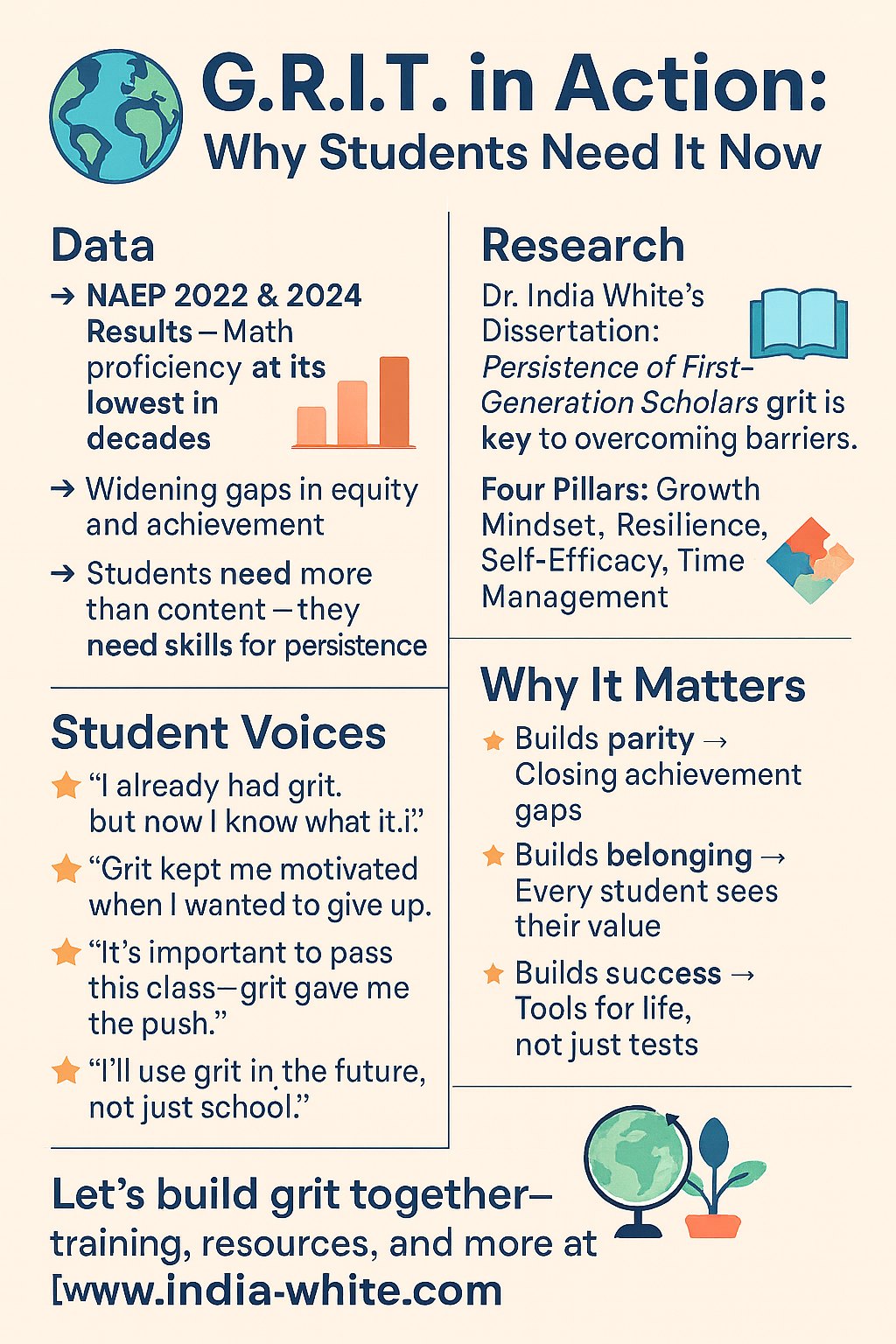
Making Grit Work at the Making Math Moments Summit: A Recap of a Powerful, Grit-Filled Experience Today, I had the incredible privilege of speaking at the Making Math Moments Summit, and it was truly amazing. From the moment we began, the energy was high, the curiosity was alive, and the commitment to transforming mathematics instruction through grit was stronger than ever. Even when we faced unexpected tech challenges, we modeled exactly what we teach: push through with perseverance, adapt with resilience, and keep moving forward. And yes, we did it with purpose and grit. Our theme for this session was Making Grit Work, and as we dove into the heart of the conversation, it quickly became clear that educators everywhere are hungry for tools that build students’ internal strength, not just their academic skills. Together, we explored what grit looks like in real classrooms, how we can cultivate it intentionally, and why it matters more than ever in today’s educational climate. One of the highlights of our time together was examining NAEP data and discussing how grit intersects with student performance nationwide. We didn’t shy away from the tough questions. We talked about the gaps, the realities, and most importantly, the opportunities. Grit is more than a concept; it is a framework for empowerment, a path toward confidence, and a catalyst for closing achievement gaps. It is the heartbeat of productive struggle. And today, everyone in that virtual room felt it. We also took the Grit Assessment, and that activity added an exciting layer of personal reflection. Educators saw where they personally shine in the pillars of my G.R.I.T. framework: Growth Mindset, Resilience, Self-Efficacy, and Time Management, as well as where they may want to grow further. The chat was full of insights, laughter, and “aha” moments as teachers rated themselves honestly and bravely. It reinforced why this work matters: before we can build grit in our students, we must first understand our own. What I loved most about this session was witnessing educators from all over the world lean in, reflect deeply, and commit to creating classrooms where students don’t just survive math, they rise in it. With every activity, discussion, and shared experience, the Grit Tribe grew bigger and stronger. I left the session inspired, grateful, and fired up for what’s ahead. Thank you to every educator who showed up, engaged, asked questions, and embraced grit with an open mind and open heart. Your dedication to your students and to your own professional growth is what keeps this movement alive. Let’s keep pushing forward, keep believing in ourselves and our students, and keep making grit work in every math moment. Stay gritty, Dr. India White
Attending TEDxOcala 2025: A Full-Circle Moment of Gratitude and Grit Attending TEDxOcala 2025 was nothing short of inspiring. Surrounded by brilliant minds and creative thinkers from across the globe, I was reminded once again of the transformative power of ideas. The event was filled with energy, innovation, and a deep sense of purpose as speakers shared their journeys and insights that challenged, uplifted, and encouraged everyone present to think bigger and live with intention. For me, the experience was also deeply personal. Returning to the stage where I delivered my TEDx talk in 2022 on The Power of G.R.I.T. brought a wave of gratitude and nostalgia. Standing there again, I couldn’t help but reflect on how much growth has happened since that pivotal moment. That talk wasn’t just a speech—it was a testimony to perseverance, resilience, and faith. It was a declaration that through Growth Mindset, Resilience, Self-Efficacy, and Time Management, we can overcome life’s toughest battles and rise into our purpose. Being back at TEDxOcala allowed me to reconnect with fellow visionaries, mentors, and new friends who continue to push the boundaries of what’s possible. It reminded me that we are truly better together. Collaboration and shared wisdom are what make communities thrive. Every person in that room carried a spark that contributed to something greater—an exchange of ideas that can ignite global change. Tips for Getting the Most Out of a TEDx Experience If you’ve ever wanted to attend a TEDx event or are planning to in the future, here are a few ways to make the most of it: 1. Be Present and Open-Minded. Listen with curiosity. Each speaker has a story, and sometimes the message that impacts you the most will come from an unexpected place. 2. Network with Purpose. TEDx events attract incredible people from all walks of life. Take time to connect, share your ideas, and build relationships that can lead to meaningful collaborations. 3. Reflect and Take Notes. Inspiration fades quickly if not captured. Write down key takeaways or quotes that resonate with you. Use them as fuel to inspire your work and personal growth long after the event. 4. Support the Speakers. Engage with them online, share their talks, and spread their messages. A simple act of encouragement can help amplify voices and causes that matter. 5. Apply What You Learn. The power of TEDx lies not just in listening but in doing. Let the ideas you hear challenge you to take action in your community, career, or personal life. How to Be Gritty in Your Career Attending TEDxOcala reminded me once again that grit is the bridge between inspiration and execution. Whether you’re an educator, entrepreneur, leader, or artist, your success depends not just on talent, but on your ability to persist through challenges. * Adopt a Growth Mindset: Believe that your skills and intelligence can be developed through effort and learning. * Build Resilience: View setbacks as opportunities to grow stronger, not reasons to give up. * Strengthen Self-Efficacy: Believe in your own ability to achieve goals—confidence fuels consistency. * Master Time Management: Prioritize purpose-driven actions each day to move closer to your vision. TEDxOcala 2025 was a beautiful reminder that the world changes when people dare to share their stories and embrace the grit it takes to make them real. As I left the event, my heart was full—thankful for the memories of 2022, the inspiration of 2025, and the reminder that we are all part of something much bigger than ourselves. We are better together. To learn more about my work on G.R.I.T. and how you can cultivate growth, resilience, self-efficacy, and time management in your journey, visit www.drindiawhite.com

Join me the week of November 14th as I speak for the Making Math Moments Virtual Conference!! ๐ I am excited to continue offering knowledge and sessions on grit and am open to traveling and working with schools, districts, and organizations as needed. Grit changes lives, and it’s my mission to make sure students and educators alike have the tools to thrive. As we step into this new season, I encourage you to reflect on where grit is showing up in your own life and in your work, and how you can be gritty in the upcoming NEW year. Together, let’s keep cultivating the power of G.R.I.T. in every classroom, community, and home. ๐ I'm here to support you and to work alongside you as we thrive and cultivate grit together. Visit my website www.india-white.com for more information and to see how we can work together ๐ . Link to Newsletter: https://lnkd.in/dpVxmaFp Get Your Spot at the MMM Conference: https://lnkd.in/dbCDkxvj hashtag#drindiawhite hashtag#grit hashtag#tedx hashtag#uf hashtag#savvas hashtag#teachers hashtag#students hashtag#principals hashtag#achievementgap hashtag#makingmathmoments Savvas Learning Company TEDxUniversity of Florida

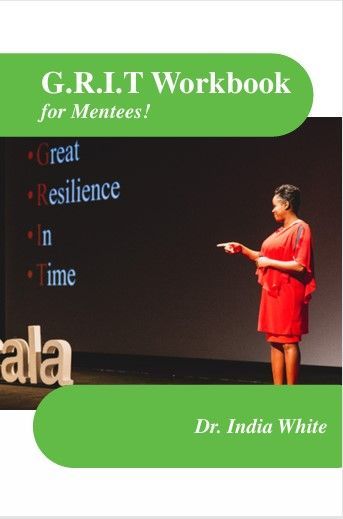
Woohoo! I'm Super Excited to Launch my Nov. 2025 Newsletter!! ๐ This past month, I had the joy of launching the Grit Workbook for Mentees and doing a book launch with some amazing teachers on our NEW Book and Workbook titled, "Effective Teaching Practices Every Teacher Must Know" ๐ . As a result, I crossed a new milestone of being an author of 70+ published works! ๐ฅฐ (excluding math textbooks) and it was nothing short of powerful. Throughout the week, teachers engaged in activities designed to help them understand and apply the G.R.I.T. framework—Growth Mindset, Resilience, Self-Efficacy, and Time Management. ๐ I want to thank each and every one of you for being there with me on this journey as we spread the message of building grit across the nation. ๐ฅฐ I can think of several teachers, leaders, and organizations who held my hand through the process and for that I remain forever grateful. By the end of the week, it was clear that these new works have equipped teachers and students for success in life. ๐ Join me the week of November 14th as I speak for the Making Math Moments Virtual Conference!! ๐ I am excited to continue offering knowledge and sessions on grit and am open to traveling and working with schools, districts, and organizations as needed. Grit changes lives, and it’s my mission to make sure students and educators alike have the tools to thrive. As we step into this new season, I encourage you to reflect on where grit is showing up in your own life and in your work, and how you can be gritty in the upcoming NEW year. Together, let’s keep cultivating the power of G.R.I.T. in every classroom, community, and home. ๐ I'm here to support you and to work alongside you as we thrive and cultivate grit together. Visit my website www.india-white.com for more information and to see how we can work together ๐ . Link to Newsletter: https://lnkd.in/dpVxmaFp Get Your Spot at the MMM Conference: https://lnkd.in/dbCDkxvj hashtag#drindiawhite hashtag#grit hashtag#tedx hashtag#uf hashtag#savvas hashtag#teachers hashtag#students hashtag#principals hashtag#achievementgap hashtag#makingmathmoments Savvas Learning Company TEDxUniversity of Florida