Five Tips for Helpiing Students Overcome Trauma and Fear of Math!
India White • July 27, 2023
Five Tips for Helping Students Overcome Trauma and Fear!

5 Tips for Teachers Helping Students Overcome Trauma and Fear of Math in the Classroom
Imagine being asked to solve a math problem that you can barely remember. How do you think you would feel? Maybe embarrassed, stressed, and like you want to leave the room? Well, this is the unfortunate reality of millions of students in our nation. Mathematics can be a challenging subject for many students, but for those who have experienced trauma, it can be even more daunting. Trauma can significantly impact a student's ability to learn and engage with math, leading to fear and anxiety.
Further, sometimes, reviewing math homework with parents or guardians can become a traumatic experience as parents grow weary with their child not knowing the answer or not remembering the content discussed previously in school. This can result in students developing a negative perception about learning math, resulting in fear, anxiety, and a distaste for numbers. Educators must do whatever it takes to create a safe and supportive environment that helps all students overcome their trauma and fear of math.
Here are five practical tips for teachers to assist students in overcoming these challenges:
1. Foster a Safe and Supportive Classroom Environment:
Creating a safe and supportive classroom environment is essential for students who have experienced trauma. Establish clear expectations, rules, and routines to provide a sense of stability and predictability. Encourage open communication and active listening, allowing students to express their concerns and fears without judgment.
Teachers can use trauma informed teaching strategies to further assist with making sure all learners feel comfortable and safe while learning. Jessica Minahan discussed some of these strategies in her work titled, “Trauma Informed Teaching Strategies”, listing these strategies for teachers to help students with trauma: 1) Expect unexpected responses; 2) Employ thoughtful interactions; 3) Be specific about relationship building; 4) Promote predictability and consistency; 5) Teach strategies to “change the channel”, and 6)Give supportive feedback to reduce negative thinking”.
Further, make sure students are comfortable by using icebreakers and being intentional about establishing a sense of belonging in your classroom.
2. Build a Positive Math Mindset:
Help students develop a positive mindset towards math by emphasizing effort, growth, and resilience. In her book, Mathematical mindsets: Unleashing students' potential through creative math, inspiring messages and innovative teaching, Dr. Jo Boaler (2016) speaks about how leaders should encourage them to view mistakes as opportunities for learning and growth rather than failures. Further, leaders should provide regular feedback that focuses on their progress and effort, highlighting their strengths and areas for improvement. This will help students grow from loathing math to seeing math as having the ability to succeed in math as they embrace math as a significant part of their lives.
3. Incorporate Real-World Applications:
Make math relevant and meaningful by incorporating real-world applications into your lessons. According to NCTM’s article on Ensuring Success for all Students, (2014) teachers should show students how math is used in everyday life, such as budgeting, cooking, or sports. This approach helps students connect math concepts to their own experiences, making it more engaging and less intimidating.
As teachers continue to strengthen a student’s confidence in the classroom, it will cultivate a desire to TRY math, and to feel good at taking risks in the math classroom for all students.
4. Provide Differentiated Instruction:
In regard to differentiating instruction, Dr. Carol Tomlinson (2017) highlights various tips for differentiating instruction in the classroom. Before she elaborates on these tips, she reminds us about remembering the whole child while providing clear objectives, stating, “Ensuring clarity about where students should end up as a result of a sequence of learning is fundamental to educational success. Understanding the students, we ask to learn is foundational to creating learning opportunities that enliven them."
Some of the strategies listed include 1) Recognize that all students have different learning styles and abilities; 2) Provide differentiated instruction to meet individual needs, ensuring that students receive the necessary support and challenge; 3) Use a variety of teaching strategies, such as visual aids, manipulatives, and technology, to make math accessible and engaging for all students.
As we are intentional at reaching every student during differentiated instruction, students will put down their fears and thrive as mathematicians in the classroom.
5. Collaborate with Supportive Professionals:
When aiming to help learners overcome a fear of math while dealing with various traumas they’ve encountered, educators must be willing to collaborate with school counselors, psychologists, and other supportive professionals to address students' trauma and fear of math effectively. These professionals can provide valuable insights, strategies, and resources to help students overcome their challenges. By working together, you can create a comprehensive support system that promotes students' emotional well-being and academic success.
Conclusion
Overcoming trauma and fear of math requires a compassionate and supportive approach from teachers. By fostering a safe and supportive classroom environment,
building a positive math mindset, incorporating real-world applications, providing differentiated instruction, and collaborating with supportive professionals, teachers can help students overcome their trauma and fear of math. By implementing these strategies, educators can empower students to develop confidence, resilience, and a love for mathematics.
Students will put down their hatred or tolerance of math, and will become intrinsically motivated about math, and may eventually fall in love with math as math doers in society. Teachers: let’s continue to make changes happen in the classroom as you help your students overcome
trauma and a fear of math!
References:
Boaler, J. (2016). Mathematical Mindsets: Unleashing Students' Potential through
Creative Math, Inspiring Messages, and Innovative Teaching. San Francisco,
CA: Jossey-Bass.
National Council of Teachers of Mathematics. (2014). Principles to Actions: Ensuring
Mathematical Success for All. Reston, VA: National Council of Teachers of
Mathematics.
Tomlinson, C. A. (2017). How to Differentiate Instruction in Academically Diverse
Classrooms. Alexandria, Virginia: ASCD.
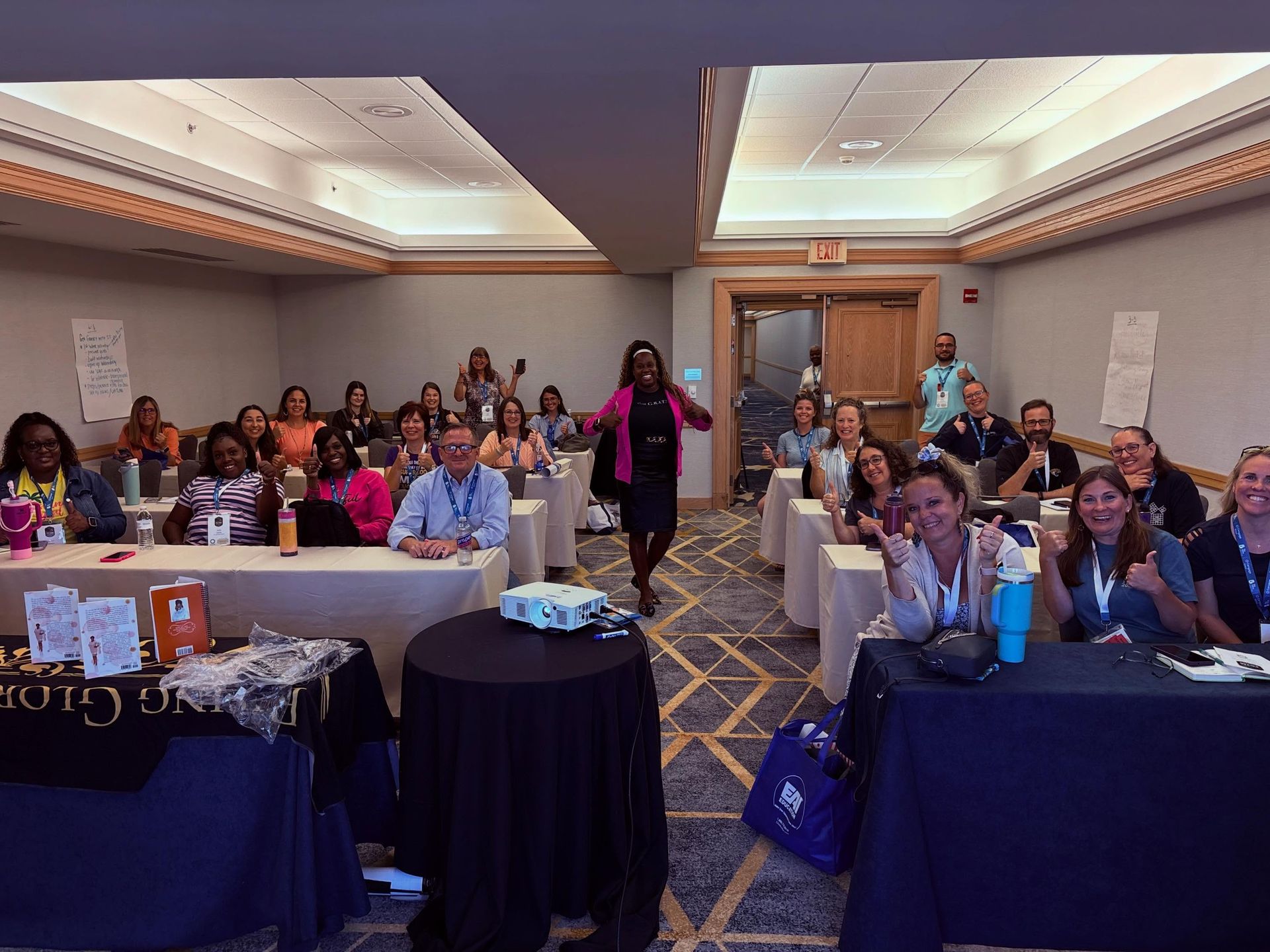
Grateful for GRIT Games!

Excited to Speak at FCTM!!
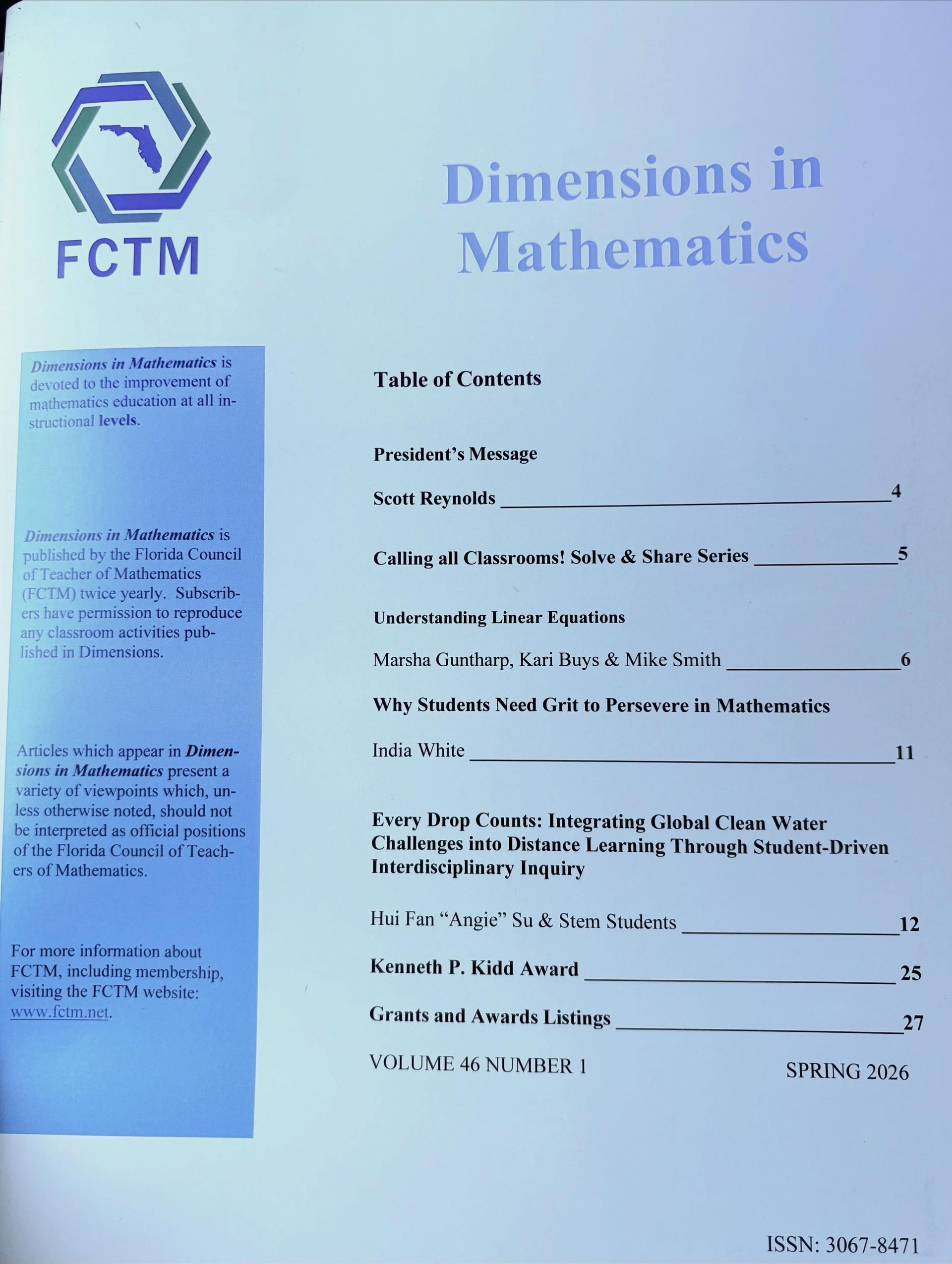
Grateful for the FCTM Dimensions Feature!
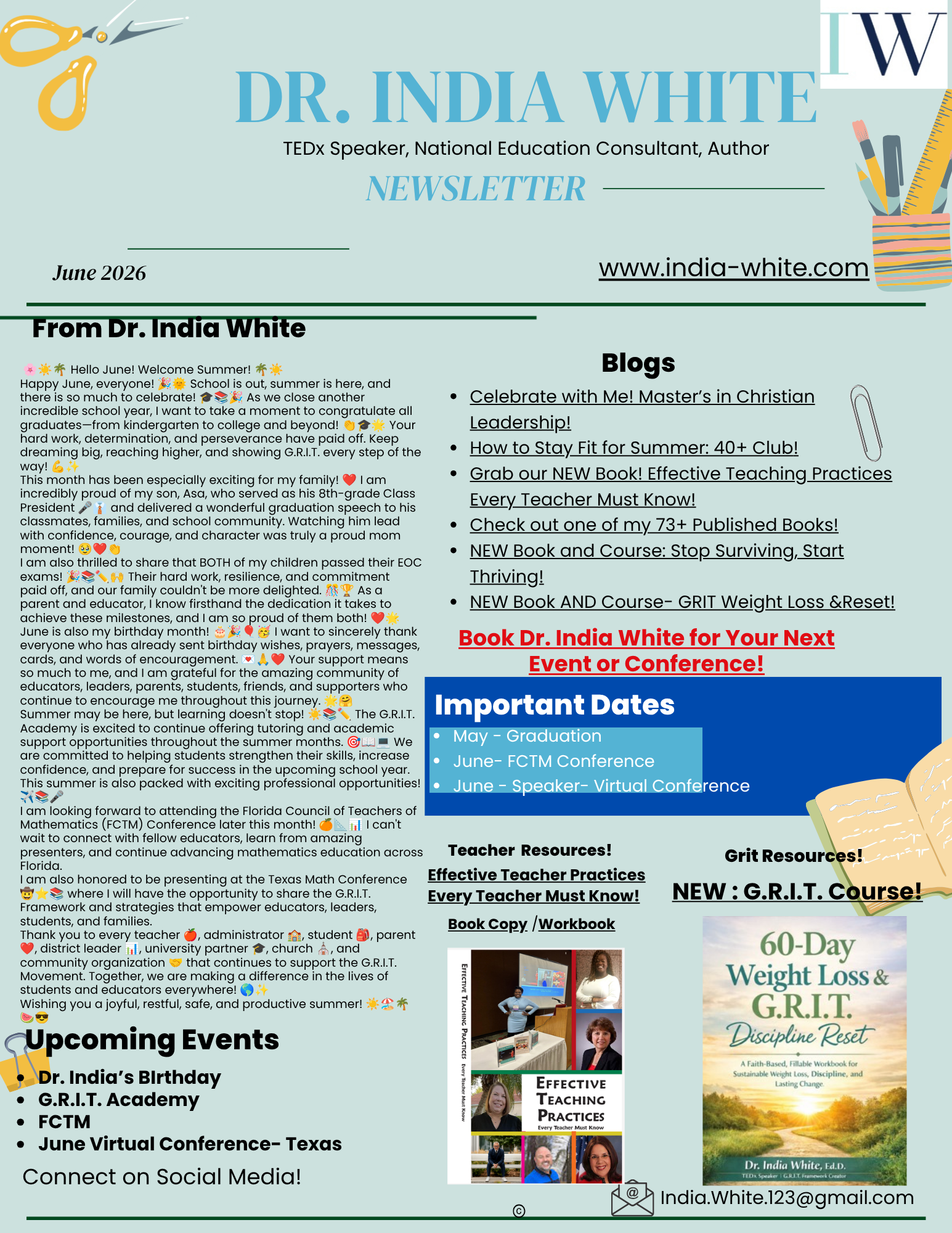
Check out my June Newsletter!

It's Time for a Reset!

Gritty Tips for Moms!

May Newsletter is Here!
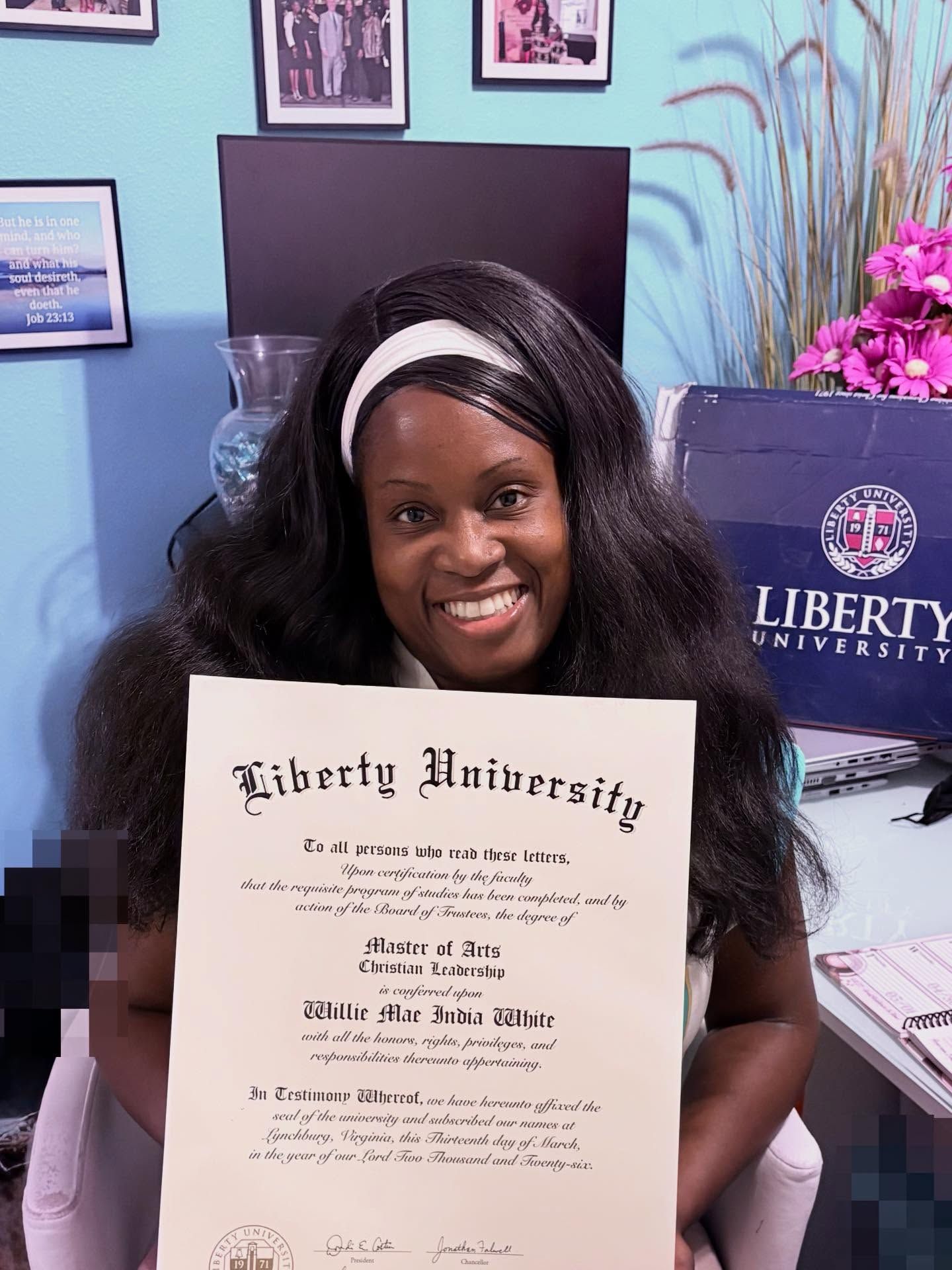
Grateful for Degree # 4- M.A.

Gritty to the Finish Line!
🌸✨ Happy April, G.R.I.T. Family! ✨🌸 I’m so excited to share that my April Newsletter is officially LIVE! 🙌🏽📬 This month is filled with growth, gratitude, and powerful momentum, and I couldn’t wait to bring you along on the journey! 💫 🎉 Inside this month’s newsletter: ✨ A special feature with Ultimate Medical Academy and the impactful work we’re doing with universities to build G.R.I.T. in students and leaders 🎓 Celebrating a personal milestone; I’ve completed my Master’s in Christian Leadership! 🎤 Speaking engagements (including the Atlanta Math Conference 👀) 📚 Ways we’re continuing to support students and educators through the G.R.I.T. Framework This season is all about growth, purpose, and impact—and I’m more energized than ever to continue leading leaders nationwide and building strong character through G.R.I.T. 💪🏽🌱 💼 Let’s Partner! I’m currently booking: 🎤 Speaking engagements 📚 G.R.I.T. Academy tutoring 🎯 Consulting services for schools, districts, and universities If you’re ready to bring the G.R.I.T. Movement to your organization, let’s connect! 📩 indiawhiteconsulting@gmail.com Let’s keep growing. Let’s keep leading. Let’s stay G.R.I.T.T.Y.! 💥🔥📚 hashtag#DrIndiaWhite hashtag#GRITMovement hashtag#Leadership hashtag#Education hashtag#NewsletterLaunch hashtag#GrowthMindset hashtag#Resilience hashtag#ChristianLeadership hashtag#LetsGetGritty hashtag#nctm hashtag#ncsm hashtag#bwxme hashtag#n