How Equitable Math Practices Help Students of Color with Conceputal Understanding
India White • May 1, 2023
How Equitable Math Practices Help Students of Color with Conceptual Understanding
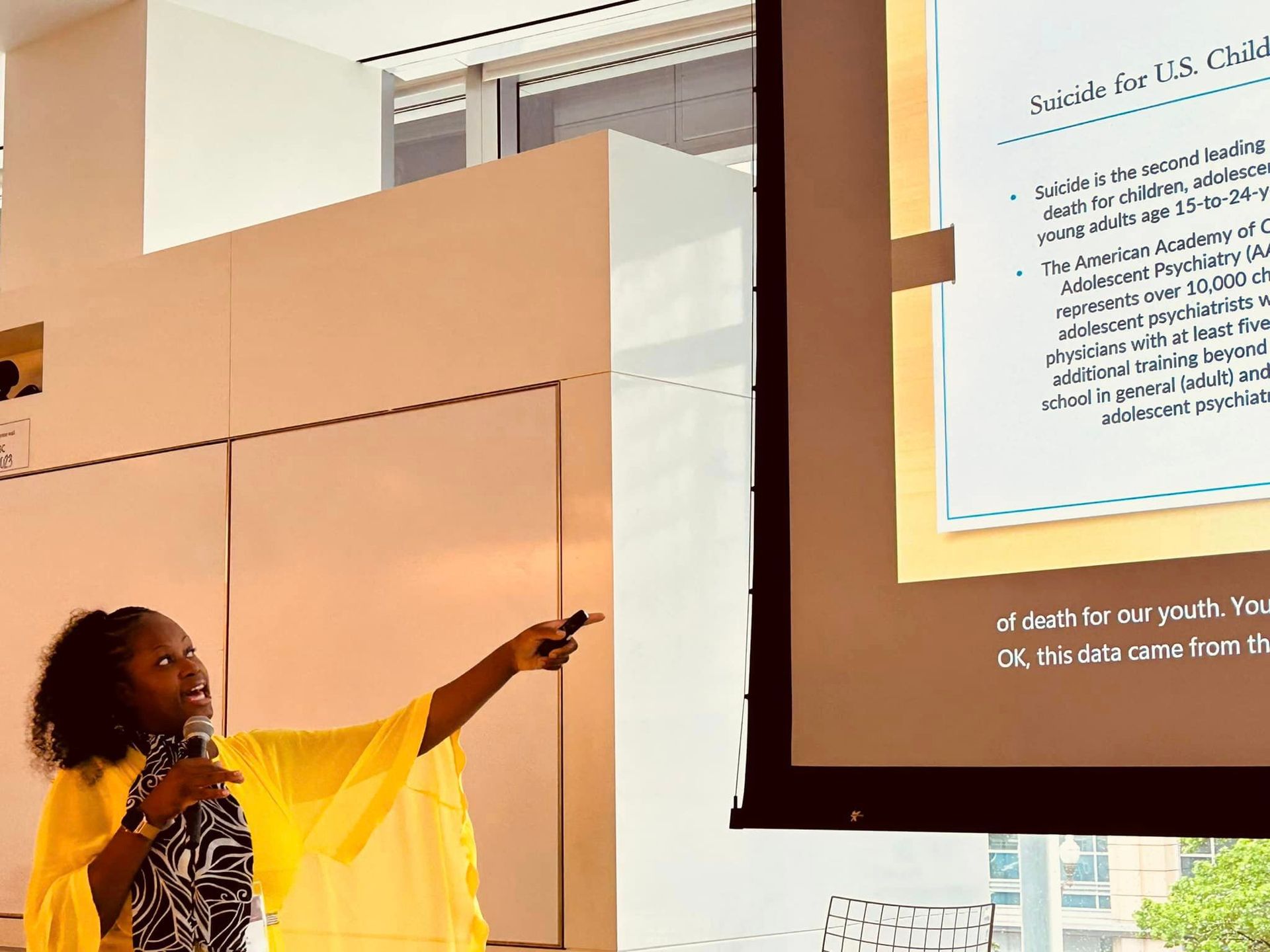
How Equitable Math Practices Helps Students of Color with Conceptual Understanding
Dr. India White
Mathematics is a subject that is often perceived as difficult and intimidating by many students, especially those from marginalized communities. According to Chap Gpt, Students of color have historically faced systemic barriers in accessing quality math education. However, equitable math practices can help to bridge this gap and support students of diverse backgrounds in their conceptual understanding in the math classroom. This has become an area of focus, given that the White-Black population
gap of students has narrowed by 32 points from 1992 to 2017. Seeing the population of studnets is now made up of predominantly students of color, teachers are tasked with helping these students with understanding math better than before.
Here are some strategies for helping diverse learners with conceptual understanding in their math class through equitable practices: 1) Strive for inclusive learning environments, 2) Use real-world examples and culturally relevant contexts, 3) Promote collaborative learning, and 4) using multiple forms of assessment to eliminate bias and strengthen students’ skillset during assessments.
Equitable Math Practices Strive for Inclusive Learning Environments
Equitable math practices are rooted in foundational principles of social justice with a goal to create a more inclusive and accessible learning environment for all students. These practices recognize and address the various inequities that exist in math education, including the lack of representation of diverse learners in advanced level math courses, lack of diverse representation in teachers, and a lack of culturally responsive teaching methods.
How Equitable Math Practices Support Students of Color
One of the primary ways that equitable math practices support students of color is by emphasizing the importance of conceptual understanding over rote memorization. Rather than students being assigned math problems in efforts to formulas and procedures, through conceptual understanding and metacognition, students are encouraged to develop a deeper understanding of the underlying concepts and principles of math. This approach helps to build a strong foundation of mathematical knowledge that can be applied to a wide range of problems and situations.
Equitable Math Practices Use Real-World Examples to Connect Students through Culture
In their article on “Making the Connections between Culture and Mathematics , Northwestern University speaks about how equitable math practices also prioritize the use of real-world examples and culturally relevant contexts in math instruction.
By connecting math concepts to students' lived experiences and cultural backgrounds, teachers can help to make math more engaging and meaningful for students of color. This approach can also help to counteract the stereotype that math is a subject that is only relevant to certain groups of people.
Equitable Math Practices Help with Collaborative Learning
Another important aspect of equitable math practices is the use of collaborative learning strategies. By working in groups and engaging in peer-to-peer learning, students can develop a deeper understanding of math concepts and build their problem-solving skills. This approach also helps to create a more supportive and inclusive learning environment, where students feel valued and respected for their contributions.
Equitable Math Practices Strengthen Skills during Assessments
Equitable math practices also prioritize the use of multiple forms of assessment, including performance-based assessments and project-based learning.
These types of assessments allow students to demonstrate their understanding of math concepts in a variety of ways, rather than simply through traditional tests and quizzes. This approach can help to reduce the impact of cultural biases that can be found in assessment and produce a better reflection of students' mathematical abilities.
Conclusion
In conclusion, equitable math practices are essential for supporting students of diverse populations in developing a deeper conceptual understanding of math. By prioritizing conceptual understanding during their learning experience, using real-world examples and culturally relevant contexts, promoting collaborative learning, and using multiple forms of assessment, teachers can create a more inclusive and accessible learning environment for all students. By implementing these practices, we can help to ensure that all students have access to explore learning in ways that will build upon their ability to conceptual understand each topic at hand.


Grateful for Lunch Keynote!

Check out my NEW Grit Life Coaching Workbook!
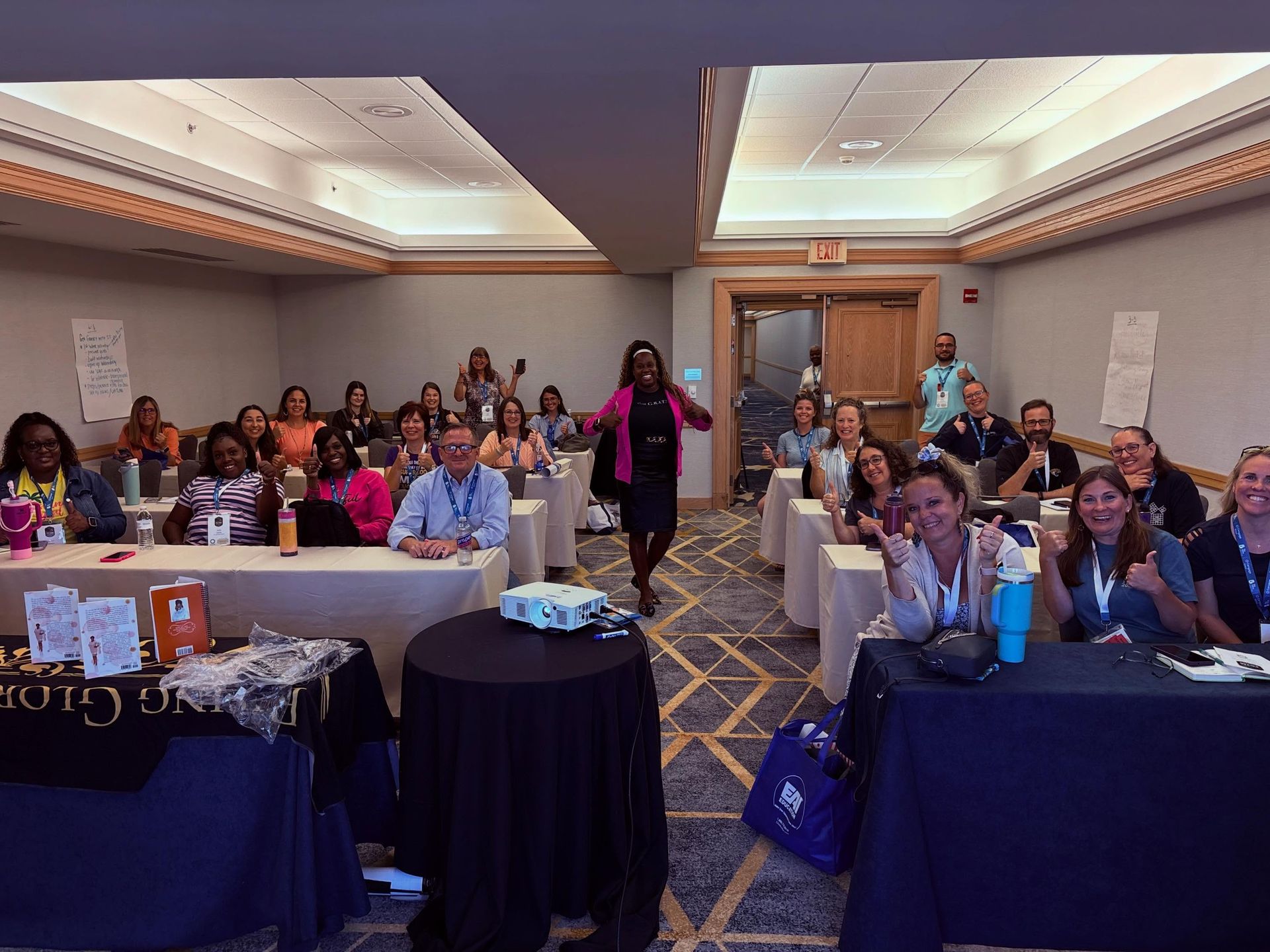
Grateful for GRIT Games!

Excited to Speak at FCTM!!
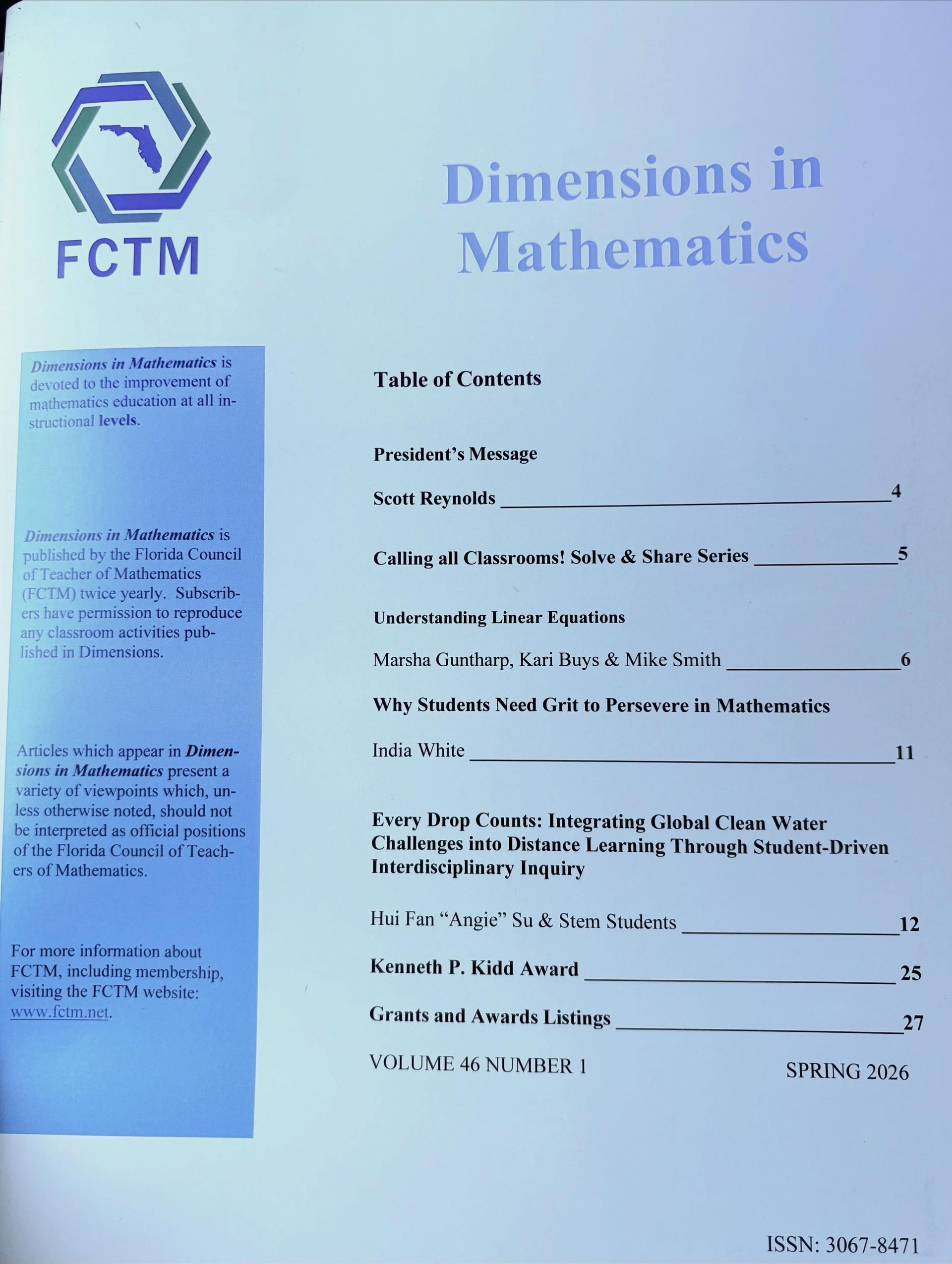
Grateful for the FCTM Dimensions Feature!

Check out my June Newsletter!

It's Time for a Reset!

Gritty Tips for Moms!

May Newsletter is Here!

Grateful for Degree # 4- M.A.